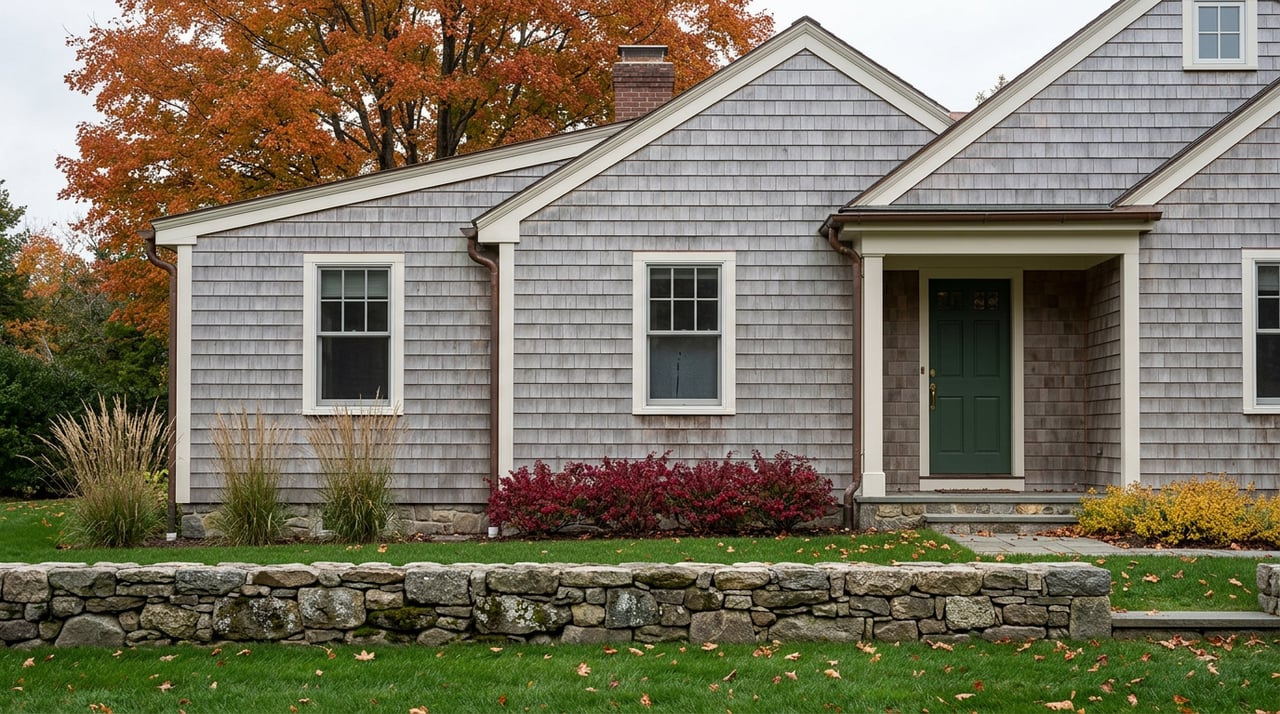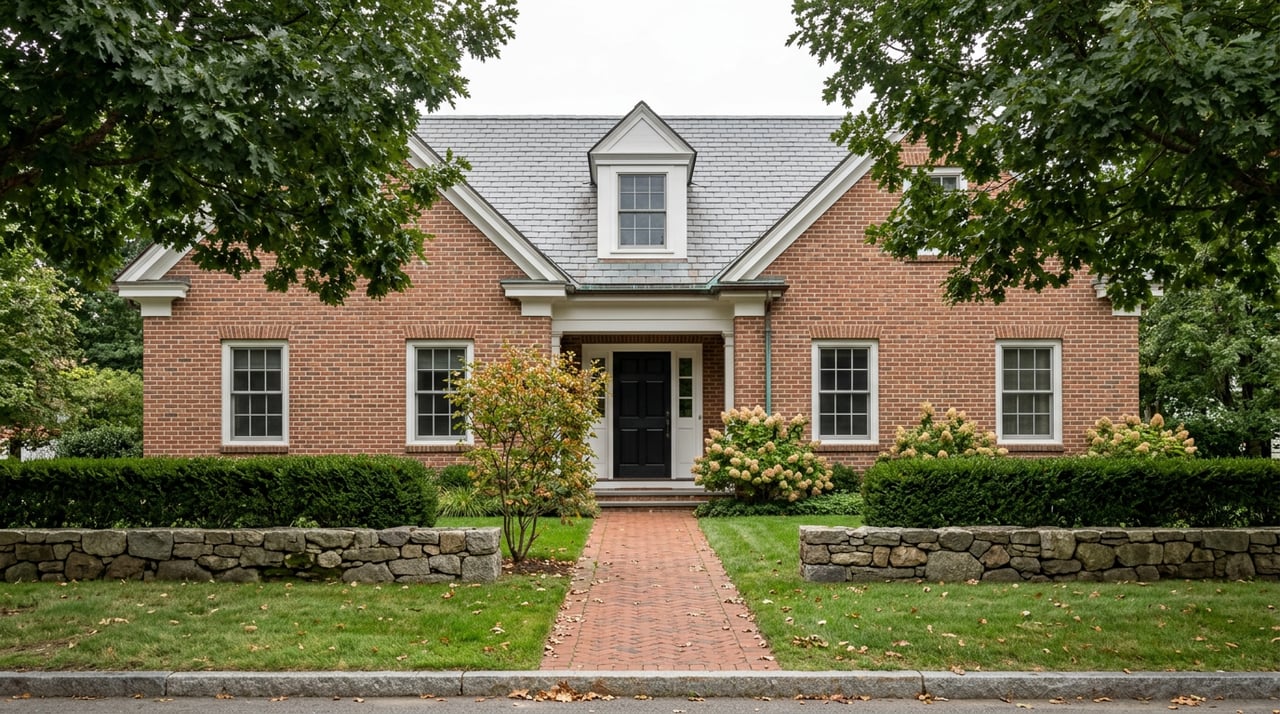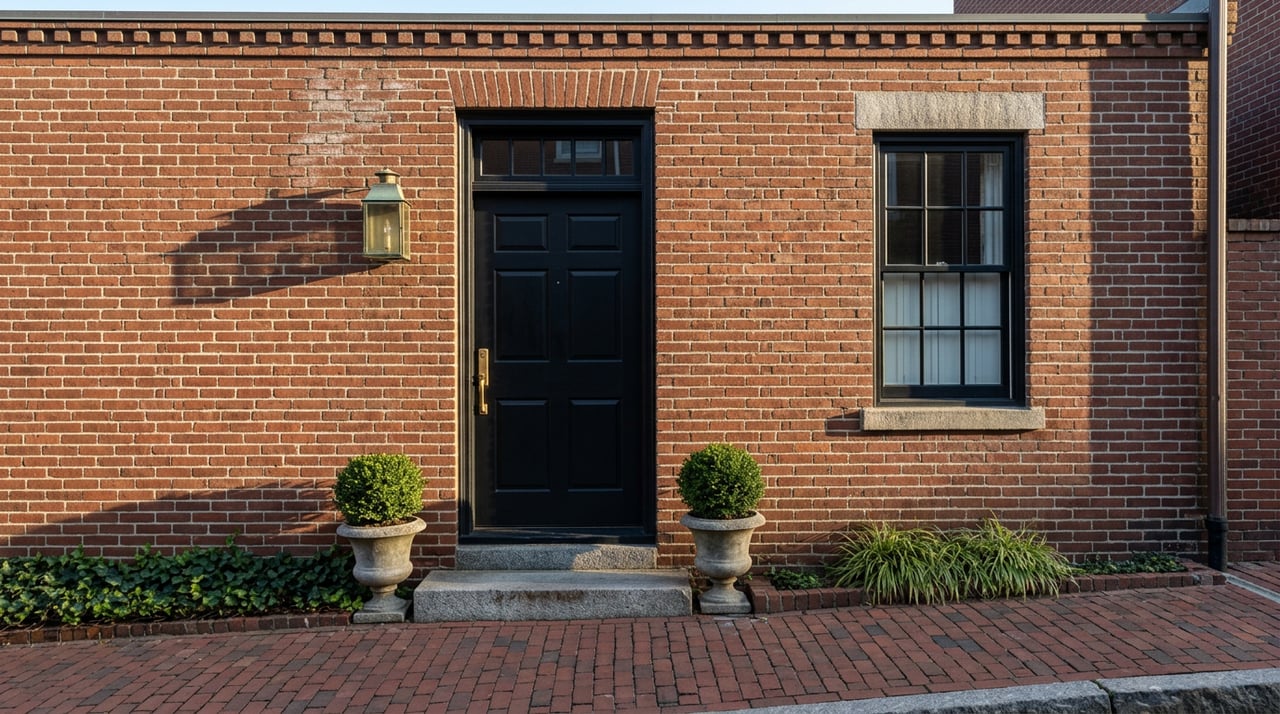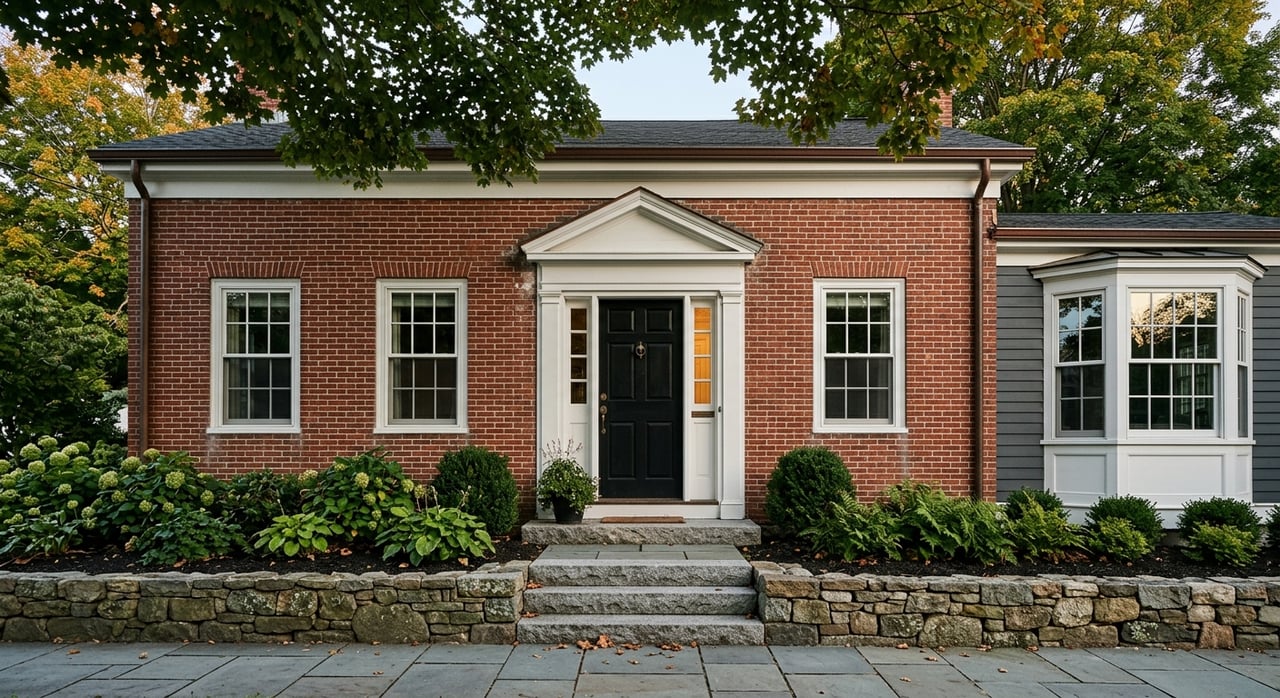
If you are preparing to sell a luxury or historic home in Providence, the biggest mistake is treating listing prep like a simple punch list. On the East Side, where median listing prices reached $749,000 in May 2026 and Blackstone stood at $1,197,500, buyers are often evaluating architecture, condition, and presentation all at once. A smart concierge approach helps you protect the home’s character, avoid timing issues, and present it at a level that matches the market. Let’s dive in.
Why concierge prep matters in Providence
Providence’s premium neighborhoods ask more of a seller than basic cleaning and a few touch-ups. In areas like College Hill, Benefit Street, Hope/Summit, Fox Point, and Blackstone, many homes carry architectural details and historic context that buyers notice right away. That means your pre-listing plan needs to support both market appeal and preservation-minded decision-making.
This is especially important on the East Side, where homes are moving faster than the citywide pace. Realtor.com’s May 2026 data show a 20-day median time on market on the East Side compared with 28 days citywide. When buyers act quickly, polished presentation and clear execution can help your home make a stronger first impression.
What concierge listing prep really means
Concierge listing prep is less about one service and more about coordinated project management. Instead of handling painters, cleaners, landscapers, stagers, and photographers separately, you work from one plan with one timeline. That approach can reduce friction and keep the home market-ready without unnecessary delays.
For Providence historic and luxury properties, that coordination matters even more. Exterior approvals, material choices, and preservation standards can affect what gets done, how it gets done, and when work can start. A team-led process helps you move from repair decisions to staging and media without losing momentum.
Industry research supports this kind of preparation. In the National Association of Realtors 2025 staging profile, 29% of agents said staged homes received offers that were 1% to 10% higher, while 49% said staging reduced time on market. Buyers’ agents also ranked photos, traditional staging, videos, and virtual tours as important marketing tools.
Start with historic district status
Before you schedule exterior work, confirm whether your property sits within a local historic district or faces other preservation constraints. Rhode Island notes that Providence is one of 18 communities with local historic district zoning, and exterior alterations in those districts are reviewed by the local historic district commission. That review process can shape your timeline from the start.
In Providence, the Providence Historic District Commission, or PHDC, reviews proposed exterior work affecting buildings, structures, and related features. This includes construction, alteration, repair, moving, demolition, and signage. If your project involves exterior work in a local historic district, a Certificate of Appropriateness is required before the work begins.
That requirement is one reason luxury listing prep in Providence often benefits from early planning. Even light cosmetic goals can become more complex if they involve exterior materials, visible architectural details, or changes that are not considered in-kind. The earlier you identify the regulatory path, the easier it is to build a realistic go-to-market calendar.
Prioritize repair over replacement
Historic homes often show best when their original materials are respected rather than stripped away. Providence’s PHDC standards emphasize conservation over replacement, which means original or historically significant features should be maintained and repaired whenever possible. If replacement becomes necessary, the new feature should match the old in design, color, texture, and other visual qualities.
For you as a seller, this creates a useful filter. Repairs that preserve woodwork, windows, trim, masonry, porches, or other original elements often support both compliance and buyer appeal. By contrast, replacement choices that change the look or feel of the home may create more review, more documentation, and more risk.
This is where concierge guidance earns its value. Rather than making scattered updates, you can sort projects into clear categories:
- In-kind repairs that maintain existing materials
- Restoration of missing or altered details
- Cosmetic improvements that do not conflict with the home’s character
- Higher-friction exterior changes that may need commission review
Sequence approvals before the work
One of the most common pre-listing problems with historic homes is doing things out of order. Providence’s process begins when the property owner applies for a building permit and the building official forwards the application to the commission. The commission usually meets monthly, which means your project calendar needs to account for review dates.
The application itself also requires preparation. Providence requires written descriptions, drawings, material samples, and photos, and applications for public hearing must be filed at least 14 days in advance. Some projects also need conceptual approval before final approval.
If zoning relief is involved, the PHDC materials indicate that it should usually be addressed before filing, or at least in a sequence that avoids changing an approved design later. That is especially important because unapproved changes to an approved project can invalidate the certificate and interfere with items like a certificate of occupancy, yearly tax benefit claims, and final lender payments. For a seller, that is a strong reason to coordinate decisions carefully instead of improvising mid-project.
Build a preservation-minded vendor team
Luxury listing prep works best when each vendor understands the role they play in the bigger picture. In Providence, that often means using professionals who can work around preservation standards while still helping your home feel fresh, clean, and market-ready. The goal is not to erase age and character. It is to present them with confidence.
A well-managed vendor team may include:
- Cleaners for deep interior preparation
- Painters for selective, appropriate cosmetic updates
- Carpenters for repair of trim, doors, or other details
- Landscapers for curb appeal and seasonal polish
- Stagers to simplify rooms and support flow
- Photographers and videographers for final marketing assets
When one person or team oversees this process, scheduling becomes far easier. You can align approvals, work completion, staging install, and photography so the property launches in its best condition instead of piecing the process together over weeks.
Stage to highlight architecture
Staging should support the home, not compete with it. In Providence’s historic neighborhoods, buyers are often drawn to moldings, fireplaces, staircases, tall windows, porches, and room proportions. Your staging plan should remove distraction and create scale so those features stand out naturally.
National staging data point to the rooms that often matter most. The National Association of Realtors found that living rooms, primary bedrooms, and kitchens are among the spaces where staging can have the most impact. For a Providence luxury or historic listing, those rooms are often where architecture and livability meet.
That usually means focusing on a few simple outcomes:
- Clear visual clutter from key sight lines
- Reduce furniture that blocks architectural features
- Use pieces that fit the scale of older rooms
- Keep color palettes calm so original details lead
- Let natural light and material texture do more of the work
In a historic home, less is often more. Buyers do not need a stage set. They need a clear view of what makes the property special.
Invest in strong listing media
High-end buyers expect strong visuals, and staging only pays off if the marketing captures it well. NAR’s 2025 research found that buyers’ agents placed especially high value on photos, videos, and virtual tours. For luxury and relocation-driven audiences, those assets are often part of the first showing.
Providence’s historic review process also reinforces the value of good documentation. The PHDC accepts digital photos and requires labeled visual materials as part of its application process. While listing marketing is different from a commission filing, both benefit from accurate, well-composed documentation.
For your listing, a strong media package should aim to show:
- Front elevation and curb appeal
- Signature architectural details
- Flow between formal and informal rooms
- Light quality throughout the day
- Outdoor spaces and setting
- Any updates that improve function while respecting character
In Providence’s premium neighborhoods, a thoughtful media package does more than make the home look attractive. It helps buyers understand the story of the property before they ever step inside.
Match the prep plan to the property type
Not every historic or luxury listing needs the same level of intervention. A turnkey Blackstone home may benefit most from styling, landscaping, and a polished media rollout. A College Hill or Benefit Street property may need more careful sequencing if exterior repairs or visible architectural work are part of the prep.
Mixed-use, rental, or investor-owned historic properties may also raise different questions. Rhode Island’s historic tax credit program applies to historic income-producing buildings, including office, retail, rental, and certain condominium projects. Private one- and two-family residences do not qualify, so this is usually not a major factor for an owner-occupied single-family luxury home.
It is also useful to know what historic district zoning does not do. According to Rhode Island’s preservation guidance, the historic overlay itself does not raise property taxes. Property taxes are based on fair-market value, not on the historic district designation alone.
Why a concierge approach can protect value
In a market like Providence, pre-listing prep is not just about aesthetics. It is about reducing avoidable mistakes, protecting important architectural features, and launching with a level of polish that fits the home’s price point. That is especially true in East Side neighborhoods, where buyers often compare homes closely on condition, provenance, and presentation.
A concierge model gives you a clearer path from decision-making to market. Instead of juggling separate vendors and uncertain timing, you move through a structured process that respects both the property and the local rules around it. For sellers who value discretion, efficiency, and strong execution, that kind of planning can make a meaningful difference.
If you are thinking about selling a luxury or historic home in Providence, the right prep strategy starts with understanding the home, the timeline, and the story you want the market to see. For a tailored plan backed by local market knowledge, vendor coordination, and high-end marketing support, connect with Robert Rutley.
FAQs
What is concierge listing prep for a Providence home?
- Concierge listing prep is a project-managed approach to getting your home ready for market. It can include coordinating repairs, cleaning, landscaping, staging, photography, and scheduling so your listing launches smoothly.
Do Providence historic district rules affect exterior prep work?
- Yes. In Providence local historic districts, exterior alterations and certain repairs are reviewed by the PHDC, and a Certificate of Appropriateness is required before exterior work begins.
How should I update a Providence historic home before listing?
- Focus on repair and preservation first. Providence’s standards favor maintaining original materials and using replacement only when necessary, with new work matching the original in design, color, texture, and visual quality.
Does staging help luxury and historic homes in Providence?
- It often can. NAR’s 2025 staging profile found that 29% of agents saw staged homes receive 1% to 10% higher offers, and 49% said staging reduced time on market.
What rooms should I stage first in a historic Providence listing?
- Start with the living room, primary bedroom, and kitchen. These are often key decision-making spaces, and good staging can help buyers focus on architectural details and layout.
Are tax credits available for Providence historic homes?
- Rhode Island historic tax credits are generally for historic income-producing buildings, such as rental, office, retail, and certain condominium projects. Private one- and two-family residences do not qualify.
Does historic district zoning increase property taxes in Providence?
- No. Rhode Island’s preservation guidance says property taxes are based on fair-market value, not on the historic district overlay itself.