If you want city living in Rhode Island, few places put more within easy reach than Downtown Providence and the Jewelry District. This part of the city blends historic industrial character, riverfront public space, arts access, and a daily routine that can feel far more walkable than many nearby neighborhoods. If you are wondering what it is really like to live here, this guide will help you understand the lifestyle, housing options, and trade-offs so you can decide whether it fits your goals. Let’s dive in.
Downtown Providence and the Jewelry District at a Glance
Downtown Providence and the Jewelry District are best understood as one connected urban core. There are no strict official boundaries, and the Jewelry District sits just south of downtown and west of the Providence River. In everyday life, the two areas flow together.
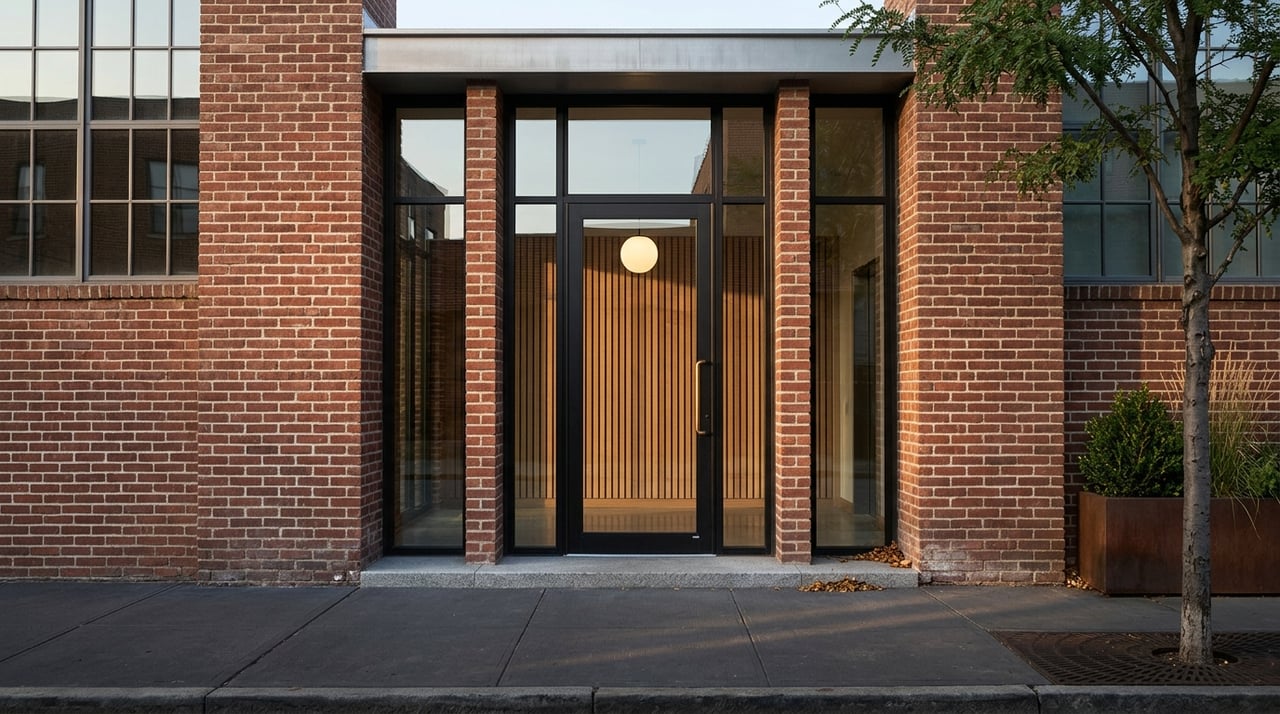
What gives this area its identity is adaptive reuse. The historic fabric includes late-19th- and early-20th-century brick and reinforced-concrete factory buildings, many of which have been repurposed for housing, offices, education, and medical uses. Even Brown University’s Warren Alpert Medical School occupies a former jewelry manufacturing building, which says a lot about how the district has evolved.
This is also a neighborhood that is still changing. After the I-195 relocation freed 26 acres in 2011, the district saw major redevelopment, with 15 projects, 2.1 million square feet of development, and $830 million in investment reported by the 195 District site. That ongoing growth helps explain why the area feels both historic and newly energized at the same time.
What Daily Life Feels Like Here
Life in Downtown Providence and the Jewelry District tends to center on convenience. Restaurants, nightlife, shops, attractions, and riverfront spaces are clustered closely enough that many daily errands and outings can happen on foot. For buyers relocating from larger East Coast cities, this can feel like a smaller-scale urban lifestyle with less sprawl and more ease.
Outdoor space here is not about big private yards. Instead, it is about access to the waterfront and public spaces that shape the neighborhood experience. The Providence River Pedestrian Bridge, 195 District Park, and the riverfront walkways give residents places to walk, meet friends, or simply take in the city.
Arts and culture are part of the regular rhythm of the neighborhood. PPAC anchors the nearby arts and entertainment scene, and WaterFire brings river-based public art into the center of downtown life. Instead of feeling like a once-in-a-while destination, the arts presence here becomes part of what you notice on an ordinary week.
Walkability and Transit Access
One of the strongest reasons people choose this area is transportation access. Downtown Providence is compact, and the street pattern supports a more walkable routine than many suburban options around the city. If you want to live near dining, public spaces, and transit without relying on your car for every trip, this location stands out.
Transit is especially strong for a market this size. RIPTA’s Downtown Transit Connector offers very frequent service between Providence Station and the hospital district, with accessible stops and pedestrian-priority design features. That can make commuting within the urban core easier for people working near the station, downtown offices, or the medical district.
Regional access is another plus. Amtrak’s Providence station sits at 100 Gaspee Street near the State House grounds, and commuter rail from T.F. Green Airport connects the airport, downtown Providence, and Boston-area stations. For people balancing local life with regional travel, that connection matters.
What to Know About Parking
Parking is available, but it is more structured than in lower-density neighborhoods. The city has an expanded overnight parking program and district parking maps for residents. If you are comparing this area with a suburban neighborhood, it is smart to think through parking early, especially if your household will keep one or more vehicles.
Housing Options: Lofts, Condos, and Adaptive Reuse
The housing story here is heavily shaped by the district’s industrial past. The historic district includes 21 multistory factory buildings, five single-story shops or garages, and three houses. Because of that building stock, the local lifestyle is much more condo- and loft-oriented than single-family-home-oriented.
That history shows up in the kinds of homes you will see. Buyers may find micro-lofts, studios, and one-bedroom units in landmark buildings like Case Mead Lofts. They may also see restored commercial buildings with large windows and rooftop access at places like Westminster Lofts, open-floor-plan residences in the Jewelry District, and larger condo communities such as The 903 with garage parking.
For many buyers, the appeal is character. Exposed brick, larger industrial-style windows, open layouts, and shared amenities can offer a very different experience from a traditional house. If you value architecture and a more urban home base, that can be a major draw.
What You May Trade Off
This lifestyle often means trading some detached-home features for convenience. You may gain walkability, access to dining and culture, and lower dependence on a car. In exchange, you will likely have less private outdoor space and a housing mix that leans heavily toward shared buildings and association living.
Who Downtown Providence and the Jewelry District Fit Best
These neighborhoods often appeal to people who want an urban routine without moving to a much larger city. Relocating professionals, medical and innovation workers, and buyers who want quick access to restaurants, theaters, transit, and riverfront spaces may find the area especially attractive. Providence’s smaller-city scale, along with access to Boston and New York, adds to that appeal.
This area can also work well if you prefer a car-light lifestyle. If your ideal week includes walking to dinner, meeting friends near the river, catching a performance, or commuting by rail or local transit, the neighborhood supports that kind of rhythm.
At the same time, it may be less ideal if your top priorities are a large yard, more privacy, or a quieter and more car-centered routine. In that case, suburban options around Providence may offer a better fit. The decision often comes down to whether you value space or proximity more.
Downtown vs. More Suburban Providence Living
If you are deciding between Downtown Providence or the Jewelry District and a more suburban setting, it helps to think in lifestyle terms rather than just square footage. These neighborhoods offer historic character, strong dining and arts access, improving transit, and a housing stock dominated by condos and lofts. Suburban alternatives generally offer more space and a quieter pace, but they usually come with a more car-dependent daily routine.
Neither option is better for everyone. The right choice depends on how you want your days to feel. If you want to step outside and have more of the city immediately available to you, this urban core is one of Providence’s clearest answers.
Why This Area Stands Out in Providence
What makes Downtown Providence and the Jewelry District memorable is the mix of old and new. Historic manufacturing buildings sit alongside newer development, and the riverfront ties the whole experience together. The result is a neighborhood that feels rooted in Providence’s history while still moving forward.
For buyers, that creates a distinct kind of opportunity. You are not just choosing a home. You are choosing a walkable, design-forward, city-centered lifestyle in a part of Providence that continues to evolve.
If you are considering a move to Downtown Providence or the Jewelry District, working with a local advisor can help you compare buildings, evaluate lifestyle fit, and understand how this urban market differs from other Providence neighborhoods. To explore Providence neighborhoods or plan your move with a high-touch, local approach, connect with Robert Rutley.
FAQs
What is it like living in Downtown Providence and the Jewelry District?
- Living in Downtown Providence and the Jewelry District usually means a walkable urban lifestyle with easy access to dining, arts venues, riverfront spaces, and transit, with most housing in condos or loft-style buildings.
What types of homes are common in Downtown Providence and the Jewelry District?
- The most common housing options are condos, lofts, studios, and apartments in converted historic industrial or commercial buildings, rather than single-family homes.
Is Downtown Providence walkable for daily errands and entertainment?
- Yes. Downtown Providence is one of the city’s most compact areas for walking, with restaurants, attractions, nightlife, and public spaces clustered close together.
How is transit in Downtown Providence and the Jewelry District?
- Transit access is strong for a small urban market, with frequent RIPTA service through the Downtown Transit Connector, Amtrak service at Providence Station, and commuter rail connections linking downtown with the airport and Boston-area stations.
Is parking difficult in Downtown Providence and the Jewelry District?
- Parking is available, but it is more regulated than in suburban neighborhoods, and residents should review the city’s overnight parking program and district parking maps when comparing buildings or daily routines.
Who should consider living in Downtown Providence and the Jewelry District?
- These neighborhoods often fit relocating professionals, medical and innovation workers, and buyers who want a convenient, car-light lifestyle near restaurants, theaters, transit, and riverfront public space.