If you’re thinking about raising a family on Providence’s East Side, you’re probably trying to balance a lot at once: daily convenience, housing options, parks, schools, and the kind of neighborhood rhythm that feels right for your household. The East Side stands out because it offers an urban lifestyle with historic character, strong access to green space and cultural institutions, and a housing mix that gives you more than one path to put down roots. This guide will help you understand what day-to-day family life can look like in College Hill, Wayland, and Blackstone. Let’s dive in.
What Family Life Feels Like
Providence’s East Side centers many family home searches around Blackstone, College Hill, and Wayland, all within Ward 2. City sources describe this part of Providence as a historic core that includes Brown University, RISD, the Providence Athenæum, Roger Williams National Memorial, the RISD Museum, and the Blackstone Conservation District.
That mix matters when you’re choosing where to live. Instead of a purely residential setting, you’re looking at an institution-rich, city neighborhood where homes, parks, cafés, libraries, and museums are woven into everyday life. Brown’s Providence guide also notes a friendly residential vibe around campus, with groceries, cafes, and restaurants within walking distance.
East Side Neighborhood Options
College Hill at a Glance
If walkability is high on your list, College Hill is the strongest match of the three. Redfin’s neighborhood data gives College Hill a Walk Score of 91, describing it as a Walker’s Paradise.
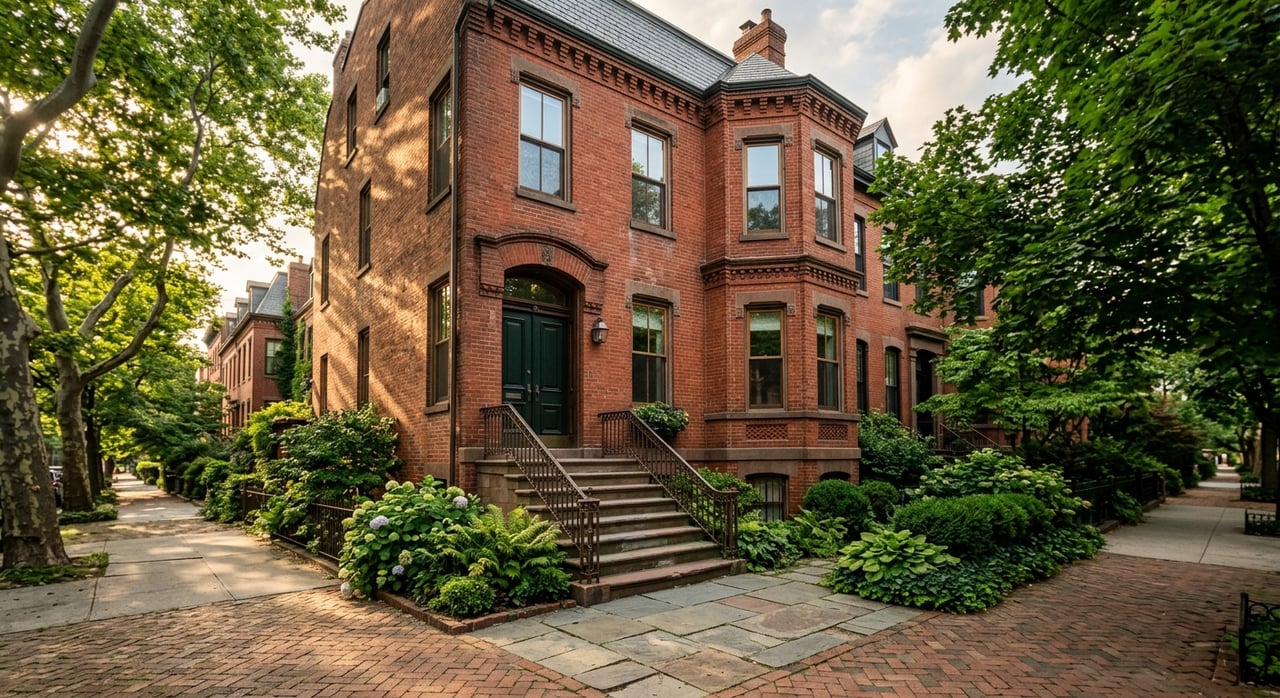
College Hill is also one of Providence’s most historically layered areas. The College Hill Historic District marks the site of Providence’s original settlement in 1636 and includes architecture ranging from early colonial homes to early 20th-century triple-deckers. For families, that can translate into a broad housing mix, including condos and multi-bedroom homes.
Wayland for Daily Convenience
Wayland often appeals to buyers who want a neighborhood feel with easy errands and dining close by. Its Walk Score of 86 places it in the Very Walkable category, and local sources describe Wayland Square as a classic New England neighborhood with shops, boutiques, and dining.
City planning materials also note that Wayland includes historic, higher-density apartment buildings that are unique to the area. In practical terms, that means you may find a mix of condo living and larger homes, depending on your budget, space needs, and how much maintenance you want to take on.
Blackstone for Space and Greenery
Blackstone tends to feel more residential and less tightly packed than the core around College Hill. It has a Walk Score of 69, which Redfin categorizes as Somewhat Walkable.
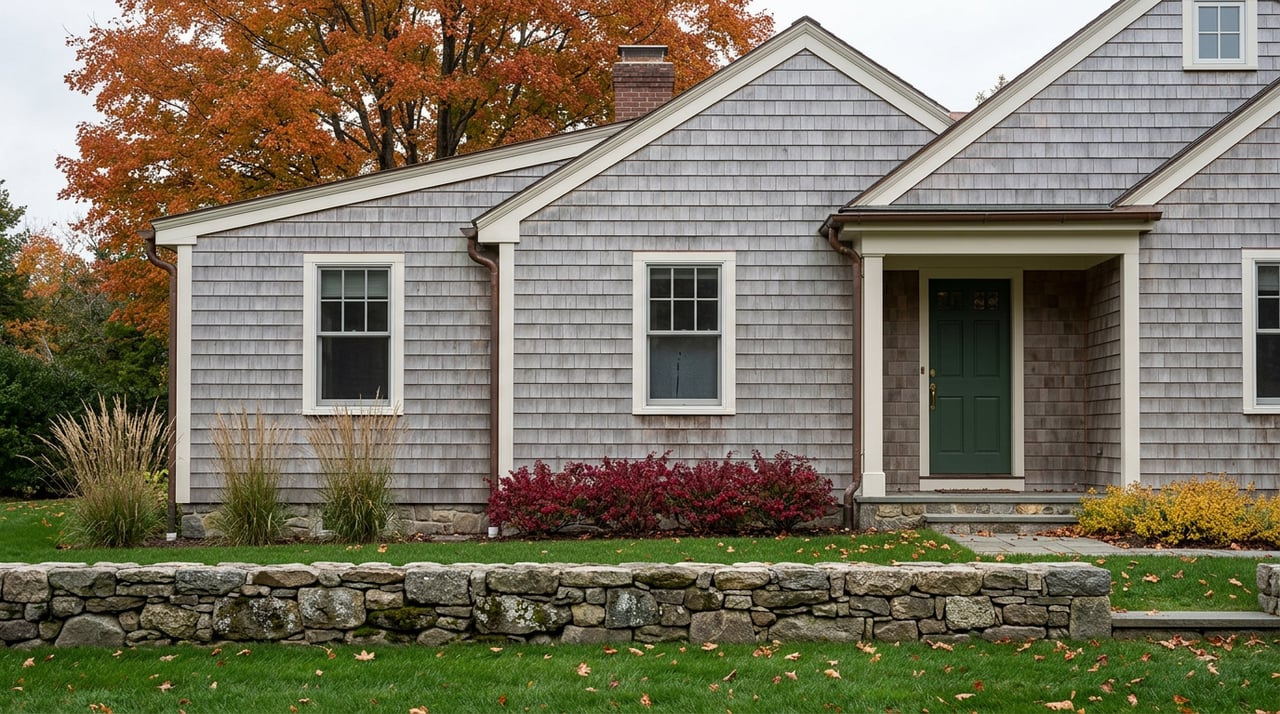
City planning materials describe Blackstone as an area with mostly substantial single-family dwellings, and the Blackstone Boulevard corridor has been a defining feature since the late 19th century. If you’re looking for larger homes, mature landscaping, and easier access to natural space, Blackstone is often part of the conversation.
Parks and Outdoor Time
For many families, neighborhood fit comes down to what happens between school drop-off, dinner, and the weekend. The East Side offers a strong lineup of parks and outdoor spaces that can become part of your regular routine.
Brown points residents and visitors toward the Providence River Pedestrian Bridge, India Point Park, Prospect Terrace Park, and Benefit Street. India Point Park is especially useful for families who want bike and walking paths, while Prospect Terrace offers skyline views and a quick destination for getting outside without a full-day plan.
One of the East Side’s biggest natural assets is the Blackstone Park Conservation District. It spans 45 acres and includes woodland, two ponds, open meadow, trails, and birding and walking uses. If you want a nearby outdoor setting that feels less formal than a city square, this is a meaningful part of the neighborhood lifestyle.
On a citywide level, Providence says its park system includes 120 parks, 62 playgrounds, and 20 walking tracks and trails. That broader network adds flexibility for families who want options beyond their immediate block.
Walkability and Everyday Routines
One reason the East Side attracts relocating families is that daily life can be more flexible than in a more car-dependent setting. In the most walkable pockets, you may be able to combine school runs, coffee, groceries, library visits, and dinner plans into a neighborhood-based routine.
Brown’s local guide highlights the East Side’s concentration of groceries, cafes, and restaurants within walking distance, particularly near campus and the surrounding residential streets. In Wayland Square, independent retail and dining also contribute to that everyday convenience.
That said, this is still a city. The City of Providence notes that metered parking exists in College Hill and Wayland Square, and while there are thousands of parking spaces across Providence neighborhoods, street parking should be part of your planning if you drive regularly.
Schools and Learning Paths
If you’re moving with children, school planning on the East Side is rarely a one-size-fits-all decision. Many families compare neighborhood public schools, district-wide public options, and nearby independent schools before deciding what works best.
For elementary years, Vartan Gregorian Elementary is a common East Side option. It serves about 300 students in grades K-5 and offers partnerships with Brown Athletics and Boys & Girls Club, along with ESL and special education in an integrated setting.
For middle school, Nathan Bishop Middle School is located on the East Side and serves 650+ students in grades 6-8. The school notes its renovated historic building and offers ESL and special education in an integrated setting.
At the high school level, Hope High School on Hope Street emphasizes arts education and an advanced core curriculum. Providence Schools also lists other citywide options, which can matter if you want to compare different public pathways as your children grow.
Nearby independent school options also shape many East Side moves. Moses Brown serves nursery through grade 12 on a 33-acre Providence campus, while The Wheeler School serves children ages 2.9 through grade 12 on Hope Street at the top of College Hill.
Cultural Stops Families Actually Use
The East Side’s cultural assets are not just for visitors. They can become part of your family’s regular rhythm, especially when the weather changes or you want an easy weekend outing close to home.
The Providence Athenæum on Benefit Street is an independent, member-supported library founded in 1836. It offers pay-what-you-can admission, and children are explicitly welcome, which makes it an unusually approachable cultural resource for families.
The RISD Museum is another practical favorite, especially because it offers free admission on Sundays and Thursday evenings. That kind of access can make arts and culture feel less like a special occasion and more like part of ordinary life.
Just beyond the East Side core, the Roger Williams National Memorial adds another nearby option. It is a 4.5-acre landscaped urban park, giving you a simple outing that blends local history with outdoor time.
Housing Realities on the East Side
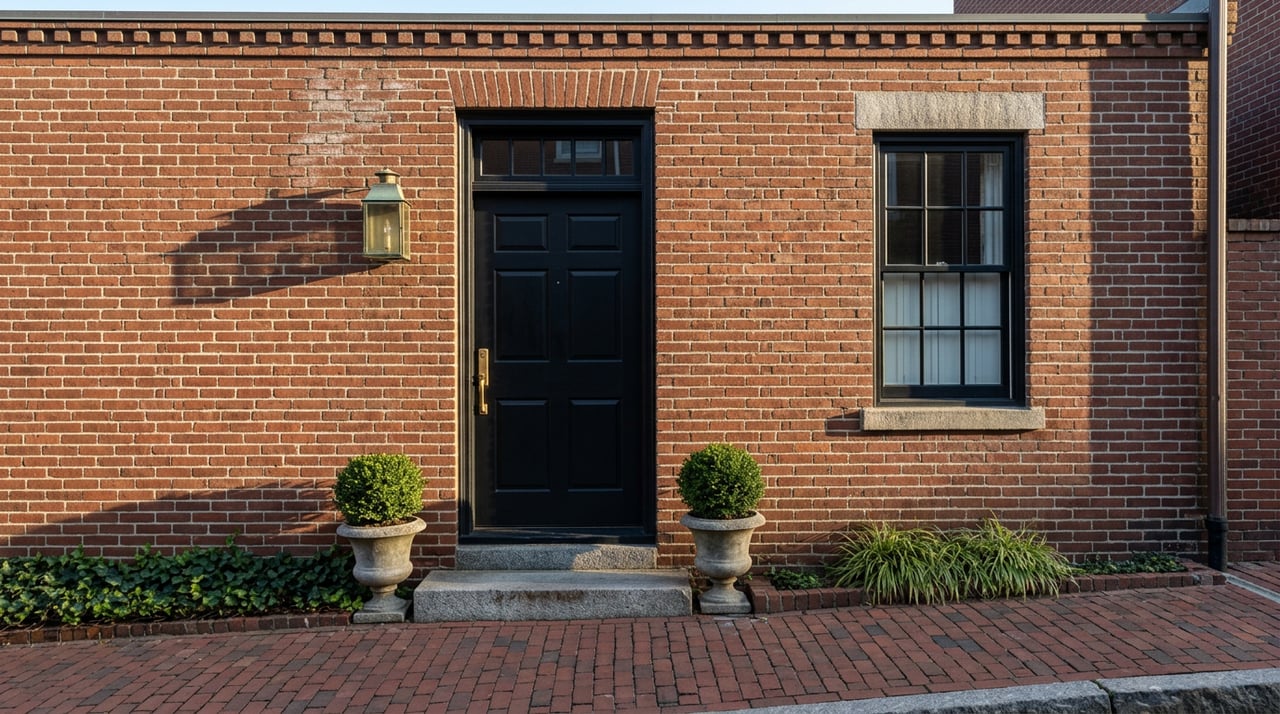
Families are often drawn to the East Side for its character, but it helps to understand what that usually means in housing terms. This is generally older housing stock, not a market defined by large-scale new suburban-style construction.
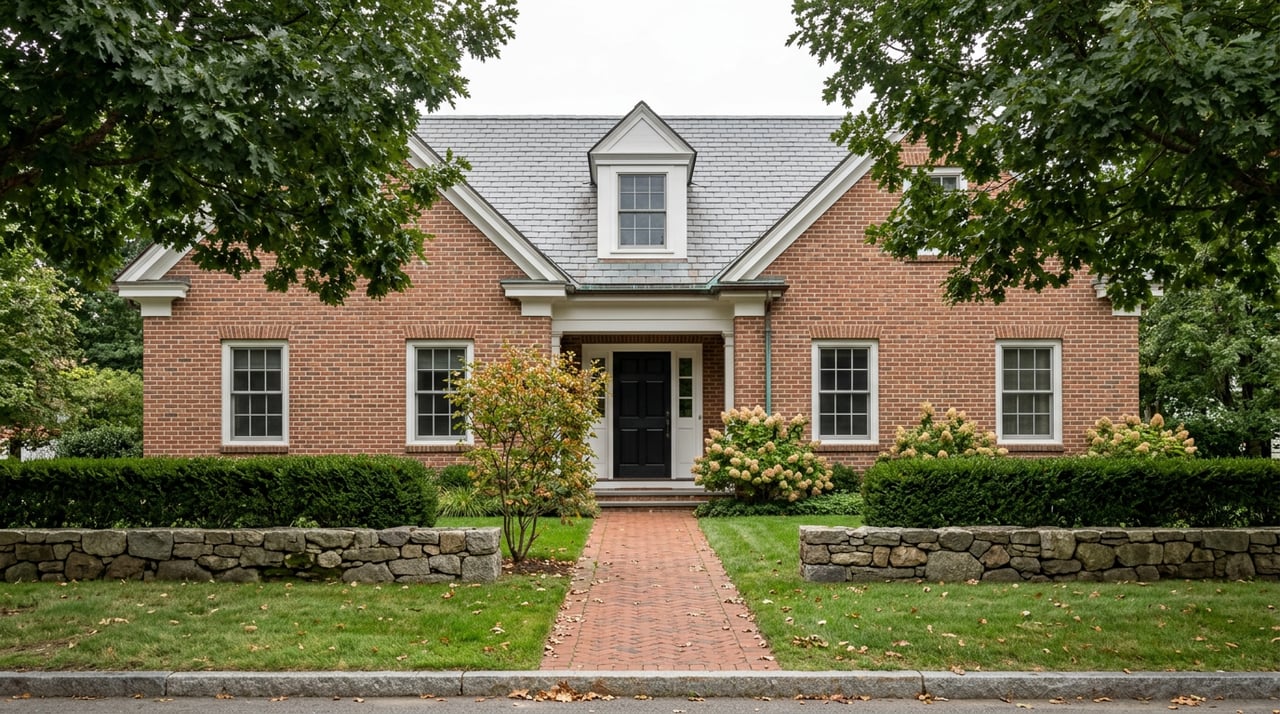
That can be a strength if you value architecture, established streetscapes, and a broader mix of property types. Across College Hill, Wayland, and Blackstone, available housing may include condos, apartments, multi-bedroom houses, and larger single-family homes, depending on the block and neighborhood.
In College Hill, the housing stock ranges from historic homes to triple-deckers, with both condos and larger residences in the mix. In Wayland, planning materials point to distinctive higher-density apartment buildings alongside larger homes and condo options.
In Blackstone, city materials describe a landscape shaped largely by substantial single-family dwellings. If you are prioritizing home size, a more residential feel, or proximity to the Blackstone Boulevard corridor and nearby natural space, that can be an important differentiator.
Historic Ownership Considerations
Buying on the East Side may also involve more due diligence than buying in a newer neighborhood. The Providence Historic District Commission reviews exterior work in local historic districts, so changes such as additions, façade work, and windows may require added planning.
That does not have to be a drawback, but it is something to factor into your timeline and budget. If you love historic homes, the East Side can offer exceptional character, but preservation rules may shape how quickly and how extensively you can make exterior changes.
Is the East Side Right for Your Family?
For many buyers, the East Side works best if you want an urban family lifestyle with strong neighborhood identity. You may be a fit if you value walkability, established architecture, access to parks, cultural institutions nearby, and a housing market with more variety than a single subdivision-style pattern.
It may be especially appealing if you are relocating and want a neighborhood where you can quickly plug into daily routines, from school planning to weekend outings. The biggest tradeoff is that you are choosing city living, with older homes, parking considerations, and preservation realities, rather than a new-build suburban setup.
If you’re considering a move to Providence’s East Side, working with someone who understands the differences between College Hill, Wayland, and Blackstone can save you time and help you focus on the right fit. Robert Rutley offers local market insight and relocation guidance designed to help you make a confident move.
FAQs
What is family life like on Providence’s East Side?
- Family life on Providence’s East Side is shaped by walkable streets in parts of College Hill and Wayland, access to parks and trails, nearby cultural institutions, and a mix of historic housing options.
What are the main East Side neighborhoods for Providence homebuyers?
- The main East Side neighborhoods many families compare are College Hill, Wayland, and Blackstone, each with a different balance of walkability, housing style, and neighborhood feel.
What school options should families consider on Providence’s East Side?
- Families often compare public options such as Vartan Gregorian Elementary, Nathan Bishop Middle School, and Hope High School, along with district-wide public choices and nearby independent schools like Moses Brown and Wheeler.
How walkable is Providence’s East Side for daily errands?
- College Hill is the most walkable of the three neighborhoods discussed, followed by Wayland, while Blackstone is somewhat walkable and may involve more driving depending on your routine.
What should buyers know about East Side historic homes in Providence?
- Buyers should know that many East Side homes are older and located in historically significant areas, so exterior changes may require review by the Providence Historic District Commission.
Are there parks and outdoor spaces near Providence’s East Side neighborhoods?
- Yes, families on the East Side often use India Point Park, Prospect Terrace Park, the Providence River Pedestrian Bridge area, and the 45-acre Blackstone Park Conservation District for outdoor time.