When Blue Cottage closed last year after twenty-five years of serving eggs and home fries at 748 Hope Street, the space didn't sit empty long enough for most people to notice it was gone. Thang Huynh, who already owns Lotus Pepper three doors down, teamed up with Jason Vargas and Melisa Sanchez to open La Fe Taqueria in the old Blue Cottage space this summer. Vargas has spent years working hotels, casinos, and event venues across Rhode Island, Massachusetts, and Connecticut. Sanchez, who comes from mid-century furniture restoration, is running the floor. Huynh needed no walkthrough of the block. He'd been feeding it noodle bowls and banh mi for years already.
That's not a fluke. It's the pattern.
A few blocks up Hope Street, the same story shows up wearing a different apron.
A Bartender Who Spent 34 Years at One Company Picks Hope Street
Ciao Ciao opened this spring at 771 Hope Street, in the space that had most recently been KG Kitchen Bar. The person behind it is Adam Stabile, who spent 34 years with the Atwells Restaurant Group before striking out on his own, most recently tending bar at Providence Oyster Bar. He grew up in Providence and attended La Salle Academy. When GoLocal asked him why Hope Street and not Federal Hill, where his old restaurant group has deep roots, his answer wasn't about foot traffic or rent.
"The integration of the neighborhood and the commerce here is awesome," Stabile said. "The support we've been getting so far from local businesses has been unbelievable."
That's a restaurant veteran with three decades in this city's dining scene choosing a block based on how the other shopkeepers treated him before he'd poured a single drink. Ciao Ciao's own team describes the concept, built around Italian aperitivo culture, as a place to meet friends for a drink and a small plate before moving on to the next spot, which is a fairly direct translation of how Hope Street already works as a strip.
Down the Street, an Owner Just Changes the Sign
A few blocks off Hope Street proper, in Wayland Square, the same instinct shows up without a change of ownership at all. Scott Champagne and Ben Lloyd, who've run Providence Wine Bar on Angell Street since 2019, announced they were relaunching the space as a cocktail bar called The Wayland rather than closing it or selling to someone new. The Wayland is now open Friday and Saturday from 4 p.m. to midnight at 485 Angell Street. Nobody had to find a new tenant. The existing tenant just found a new idea.
Why the Landlord Never Has to Post a Listing
In most commercial corridors, a vacancy means a listing, a waiting period measured in months, and eventually whichever operator can carry the rent, often a regional chain with the balance sheet to absorb a slow opening quarter. Hope Street doesn't run on that clock. Every recent turnover here has been filled by someone who already had a foothold on the block or in the local restaurant scene before the space came open. Huynh expanded sideways from the restaurant he already owned. Stabile picked Hope Street because other Hope Street owners made the case for him before he signed a lease. Champagne and Lloyd never left at all.
That pattern is consistent with what the strip has looked like for years. Individually owned shops make up nearly all of the businesses along upper Hope Street, and the handful of chain operations you'll find are a couple of filling stations, two banks, and a CVS. New investment keeps landing on the corridor without changing who the corridor answers to.
What's Actually Open Right Now
For anyone deciding where to eat this week, the practical version looks like this. Ciao Ciao is positioning itself as neighborhood-priced rather than special-occasion Italian, with an aperitivo hour built for a quick drink and a snack before you move along, which is a deliberate contrast to a full sit-down dinner destination. La Fe Taqueria is fast-casual, built around tacos, burritos, bowls, and tortas, with slow-cooked meats, house-made salsas, and aguas frescas made in-house. The Wayland leans into cocktails, American craft beer, and food served late, aimed at people who want to sit at a bar past the point a wine list usually closes the kitchen.
The Storefronts That Never Changed Hands
None of this turnover happened in a vacuum. It happened around businesses that have occupied the same addresses for decades, which is part of why new operators want in nearby in the first place.
- Green River Silver Co., established in 1990, one of Rhode Island's larger importers of fine sterling jewelry
- Blooming Blossoms Floral Boutique, run by Pam, who has been in the Providence flower business for more than thirty years and moved the shop from Thayer Street to Hope Street along the way
- Frog & Toad, voted Best Gift Store Statewide by Rhode Island Monthly readers, and the shop most out-of-town guests wander into without planning to
- Seven Stars Bakery, the corridor's standing coffee-before-errands stop
The Hope Street Merchants Association lists dozens more, and the roster reads like a working directory of people who've been here for years, not a rotating cast.
The Rest of a Hope Street Saturday
None of this shows up if you only measure the block by its restaurants. The Hope Street Saturday Farmers Market runs May through October at Lippitt Park, where Hope Street meets Blackstone Boulevard, staffed by a farmer-run cooperative selling produce, bread, pasture-raised meats, and flowers from around the state. Hope Street Strolls close the street for block-party style evenings with bands and food trucks a few times a season. Rochambeau Library, a Providence community branch dating to 1930, runs children's programming that accounts for a fair share of the strollers on the sidewalk on an ordinary weekday.
A short detour down Cypress Street to Billy Taylor Park is worth the extra five minutes if you've never made it. The community mural there traces Providence's place in music history, including the former Celebrity Club, one of the first integrated jazz clubs in New England, where Etta James, Ella Fitzgerald, Sammy Davis Jr., and Ray Charles once played.
What It Means to Watch a Block Like This
A storefront changing hands is usually treated as a footnote, a line in a local business roundup. On Hope Street it's closer to a referral system, one owner vouching for the next, whether that's a restaurateur expanding into his neighbor's old lease or a wine bar owner choosing to reinvent the same room rather than hand it to a stranger. That's a more useful read on a neighborhood's health than any single opening, because it tells you who the block trusts to keep it running.
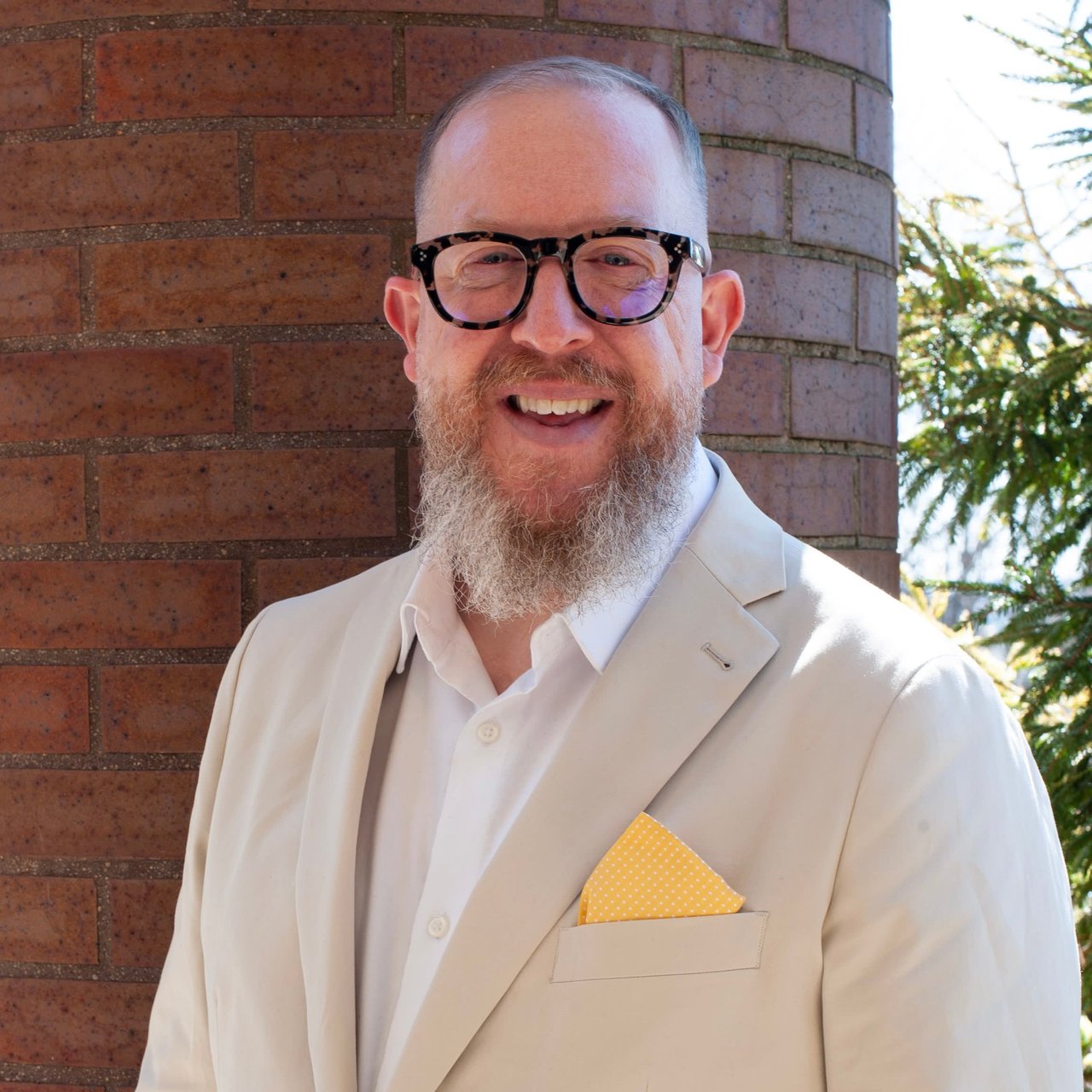
If you're watching Hope Street for reasons that go beyond dinner plans, whether that's a home nearby you've had your eye on or simply curiosity about what a block like this is actually worth, Robert Rutley works this part of Providence closely and is happy to talk through it. Request a Concierge Home Valuation whenever you're ready for a candid, no-pressure conversation about the East Side market.