Thinking about more space without giving up your Providence routine? You are not alone. Many buyers compare Cumberland and Lincoln to find the right mix of square footage, commute time, and monthly cost. This guide shows you where value tends to appear at different budgets, which home types dominate each town, and what signals to watch in recent sales so you can buy with confidence. Let’s dive in.
Cumberland vs Lincoln: quick context
Both towns sit north of Providence along the Blackstone River Valley corridor. Most buyers can expect about a 10 to 30 minute drive to downtown Providence depending on the address and time of day. If you commute to Boston, plan for roughly 45 to 75 minutes by car with traffic variability. There is no commuter rail station inside either town. The closest rail hub is Providence, and regional buses connect the corridor to the city.
Lifestyle perks differ by location. Lincoln is home to Lincoln Woods State Park, a popular day spot for hiking and water access. Cumberland offers Diamond Hill Reservation and access to the Blackstone River Bikeway. Both towns appeal if you want a suburban feel with room to spread out while staying near city amenities.
Housing types you will see
Colonial single-family homes
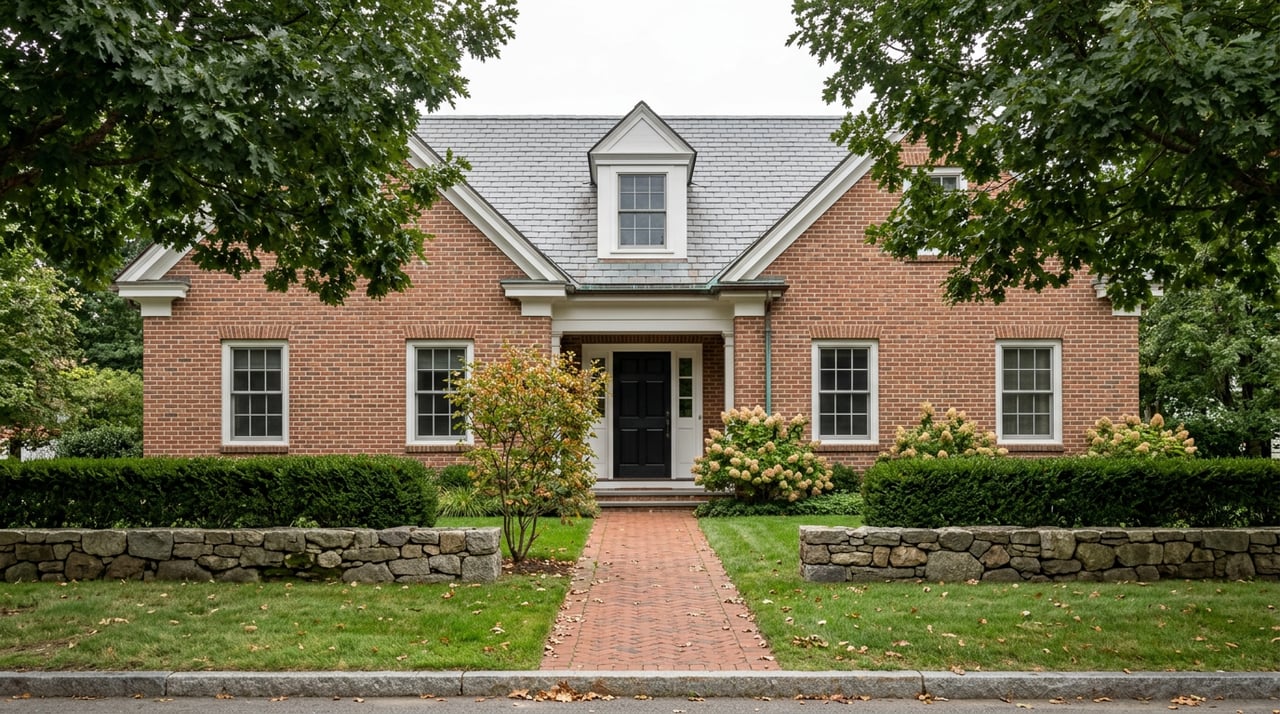
You will see many 2 to 4 bedroom colonials built between the 1930s and 1960s. Floor plans are often traditional with separate living and dining rooms. Colonials with original finishes tend to price below updated versions, and renovation can create good equity because of the square footage. Larger-lot colonials, more common in parts of Cumberland, often command a premium.
Cape-style homes
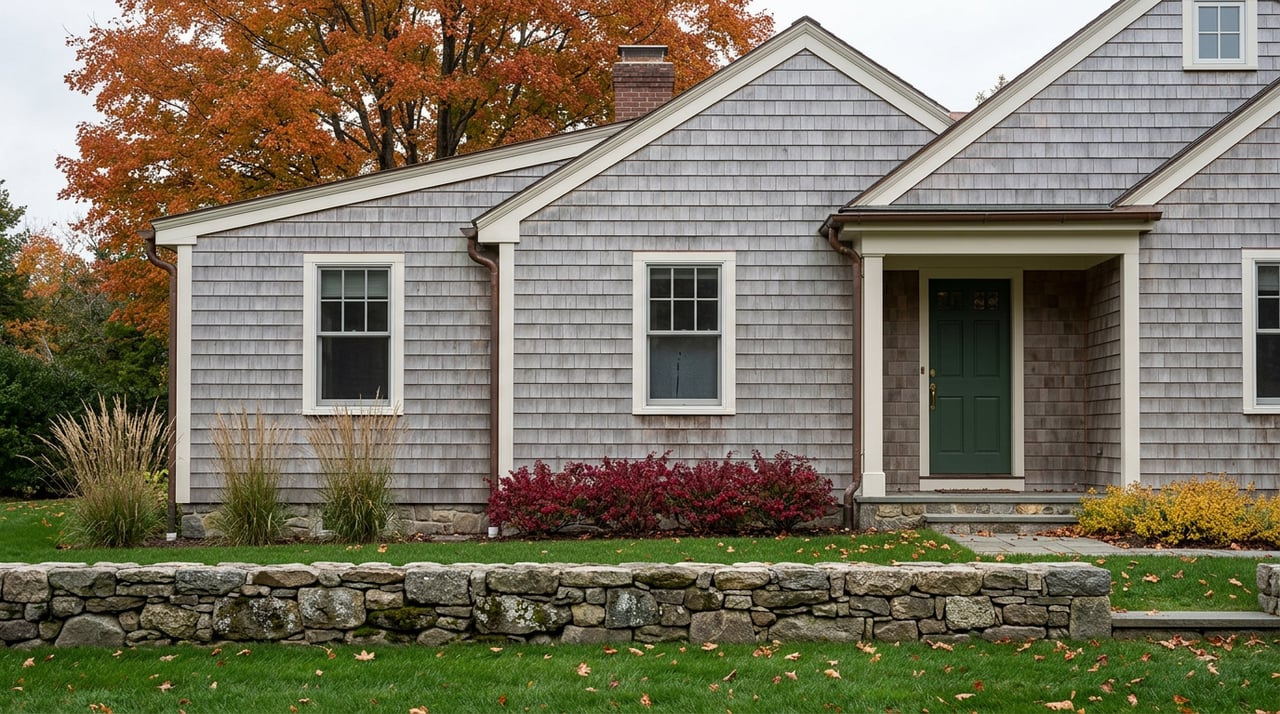
Capes are common in older village areas. Smaller capes may have 1 to 3 bedrooms, while expanded capes with dormers reach 3 to 4 bedrooms. These can be cost-effective entry points, especially if you are open to modernization or expansion to gain living area.
Newer subdivisions and new builds
Both towns include neighborhoods from the late 1980s to present with open layouts, attached garages, and finished lower levels. Newer homes usually sell at a higher price per square foot but need fewer immediate upgrades. Buyers who prioritize move-in-ready living and modern layouts often target these pockets.
Other home types
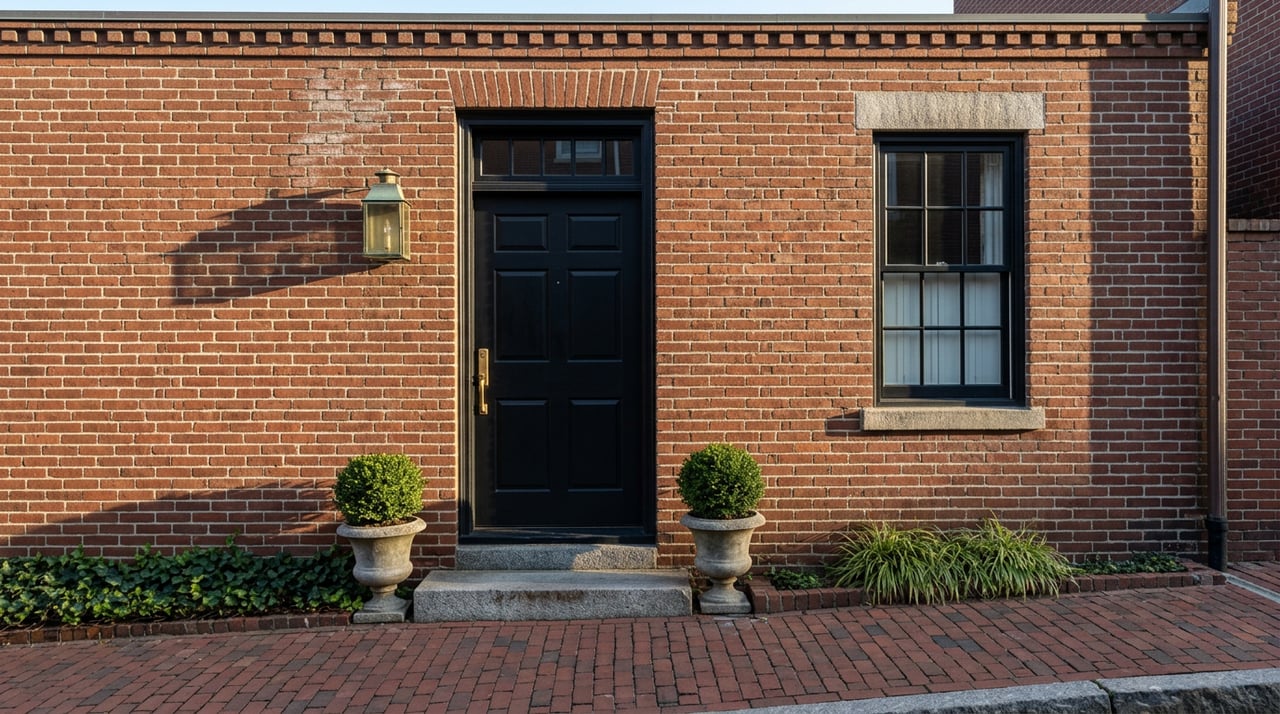
Smaller multifamily and attached units are less common than in Providence, so single-family homes dominate the search. Near river corridors you will find mill-era and historic village homes. These can offer character and charm, though they may require more maintenance.
Value by budget tier
Entry-level buyers
What you will likely find: small capes, modest colonials, and older ranches. These homes may need cosmetic improvements or minor system updates.
Where value appears:
- Older village pockets and streets near mill areas in both towns often price lower while offering renovation upside.
- Properties labeled as “needs work” in established neighborhoods may trade below turnkey comps but reward thoughtful updates.
Tradeoffs to consider: more renovation, potentially smaller lots, and higher maintenance in the early years.
Mid-tier buyers
What you will likely find: 3 to 4 bedroom colonials, expanded capes, and mid-age subdivision homes with family-friendly layouts.
Where value appears:
- Established subdivisions from the 1970s to 1990s can offer strong square footage per dollar if kitchens and baths are a few cycles behind.
- Border areas between Cumberland and Lincoln sometimes show price gaps where lot sizes are similar, but school boundaries or parcel shapes differ.
Tradeoffs to consider: high competition for move-in-ready homes in popular areas. You may pay more for updated finishes and favorable street placement.
Upper-tier buyers
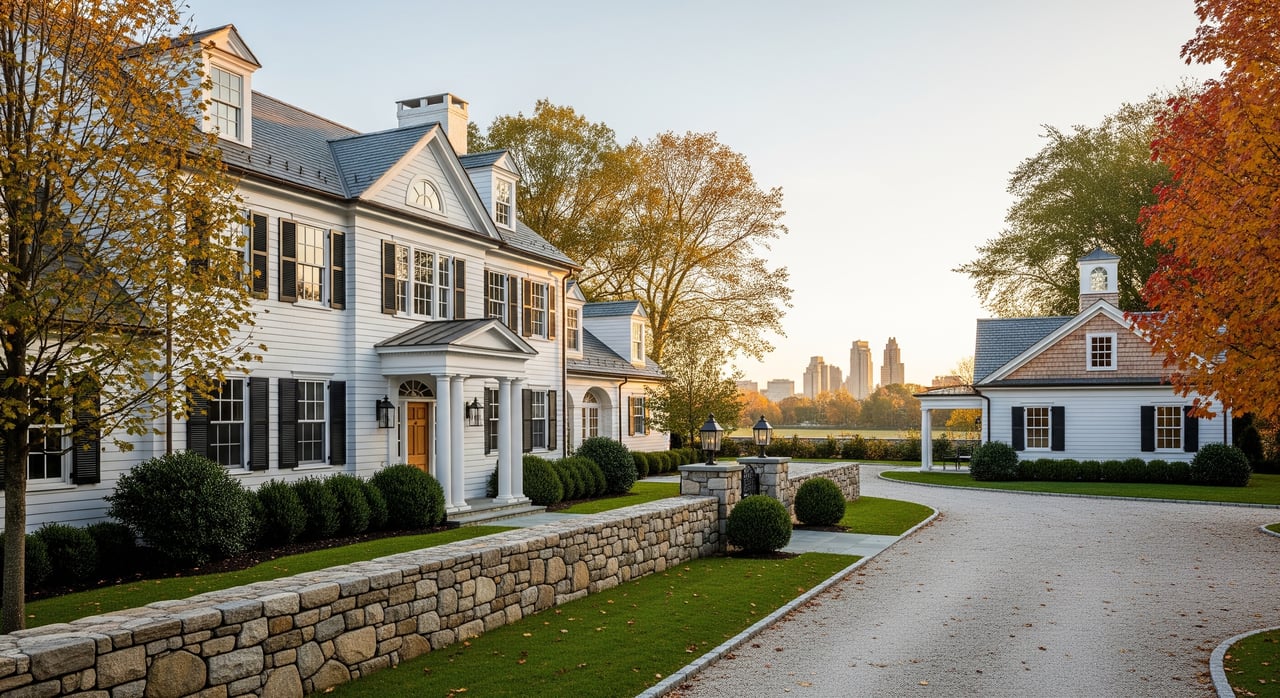
What you will likely find: newer or substantially renovated colonials, large-lot properties, and custom builds.
Where value appears:
- Larger-lot and newer subdivision homes in Cumberland often provide modern layouts, bigger garages, and finished lower levels.
- Park-adjacent homes near Lincoln Woods tend to hold premiums and steady demand.
Tradeoffs to consider: you may pay for modern features and lot size up front, so renovation-driven upside is smaller.
Commute and transit checks
If you work in Providence, both towns are practical. If you split time with Boston, build in variability and door-to-door time. The best approach is to test routes from specific addresses at peak hours.
Use these checks when comparing homes:
- Drive the morning and evening commute from each short-listed address to downtown Providence and your Boston destination.
- If you plan to use the Providence rail station, calculate the total rail commute, including parking and platform time.
- Compare access to major arterials and how quickly you can reach them from interior subdivisions.
Schools, taxes, amenities
Both Cumberland Public Schools and Lincoln Public Schools serve local families. School boundaries influence demand and pricing in specific pockets, so confirm assignments for any property you consider. Use official district resources for accurate boundary information.
Property taxes vary by town and parcel. Two similarly priced homes can have very different annual tax bills due to assessed value and local rates. Check assessor records for each address and factor in other municipal costs such as sewer versus septic, water district, and any special assessments. These inputs can shift your monthly ownership cost.
Lifestyle features support value too. Lincoln Woods State Park and Cumberland’s Diamond Hill Reservation anchor outdoor recreation, and the Blackstone River Bikeway links neighborhoods throughout the corridor. Proximity to shopping, medical centers in Providence, and highway access also increases appeal.
Read recent sales signals
Before you write your offer, pull fresh data from the local MLS and town records. Focus on the last 6 to 12 months.
Key metrics to review:
- Median sale price and trend over time.
- Median days on market and months of supply.
- Price per square foot by neighborhood or subdivision.
- Share of sales by property type, plus sale-to-list price ratios.
- Presence of new construction and renovation flips.
How to interpret:
- Falling inventory with strong sale-to-list ratios suggests a tightening market and fewer discounts.
- Longer market times and more “as-is” sales point to increased negotiating power at certain price points.
- If you see big price-per-square-foot gaps between adjacent areas, look at lot size, school assignment, and home condition to explain the spread.
- Investigate outliers. A very low price can signal deferred maintenance, an unusual parcel, or a location factor like a flood zone.
Neighborhood cues to explore
Entry-level value: search older capes and small colonials in village pockets near the river mill corridors in both towns. In Cumberland, explore northern village streets including Valley Falls. In Lincoln, look at Manville and Albion clusters. Confirm school lines and any flood or utility considerations.
Mid-tier family value: tour subdivisions from the 1970s to 1990s that sit slightly off major arterials. These areas often deliver larger lots and more living space per dollar than urban neighborhoods, with the chance to gain equity through cosmetic updates.
Upper-tier value: target newer subdivisions and larger-lot properties in Cumberland for modern layouts and expanded garage or basement spaces. In Lincoln, homes near Lincoln Woods or other parkland often carry a premium and maintain strong resale fundamentals.
Smart buyer checklist
- Define your must-haves, nice-to-haves, and budget ceiling, then test both towns against the same criteria.
- Pull 6 to 10 recent sold comps for each town in your price tier, and compare lot size, bedrooms, condition, days on market, and sale-to-list ratios.
- Compare price per square foot, but weigh condition heavily. An updated smaller home can outperform a larger dated one in daily living and resale.
- Check parcel data for taxes, utilities, and any easements or assessments that affect monthly cost.
- Drive routes to Providence and, if needed, Boston during peak hours. Time the door-to-destination trip if you plan to use rail from Providence.
- Walk the neighborhood at different times of day to assess traffic patterns, noise, and access to parks and services.
- If you are considering a renovation, price out likely updates and align your offer strategy with realistic costs and timelines.
Ready to compare homes?
If you want more space near Providence, both Cumberland and Lincoln can work. The difference comes down to micro-neighborhoods, lot size, condition, and commute routine. A data-led tour that pairs recent comps with on-the-ground routes will help you see where your dollars go further.
For a concierge, neighborhood-by-neighborhood comparison and a tailored shortlist, reach out to Robert Rutley. You will get a coordinated plan, vetted vendor support, and negotiation guidance from a locally elite, nationally connected team.
FAQs
Which town is more affordable overall?
- Town-level medians shift with market cycles, and micro-neighborhood differences and home condition explain more than the town line, so review current MLS medians and recent comps.
Can I commute to Providence from both towns?
- Yes, most buyers see about 10 to 30 minutes by car depending on origin and traffic, and regional buses link to the city, though they may not suit a time-sensitive daily commute.
How practical is a Boston commute from these towns?
- Daily Boston driving is possible but variable at 45 to 75 minutes or more, and rail service runs from Providence, so include the drive, parking, and wait time in your door-to-door plan.
Where do buyers get larger lots for the money?
- Cumberland includes more pockets of larger-lot neighborhoods and newer subdivisions, though specific parcel sizes vary, so confirm lot data on the assessor’s records.
Are there many new construction options?
- Both towns have newer subdivisions and infill projects, but availability changes with developer activity, so check current listings and permits.
Do schools change pricing for similar homes?
- School boundaries can influence demand and pricing for comparable homes, so verify assignments with official district resources when evaluating specific properties.