Trying to choose between Providence and Cranston for your next home? You are weighing city energy against suburban breathing room, and that choice shapes your budget, commute, and day-to-day life. In this guide, you’ll learn how housing types and costs differ, what real commute times look like, and how each area supports your lifestyle. Let’s dive in.
Providence vs Cranston at a glance
- Providence offers walkable neighborhoods, cultural depth, and diverse housing, including condos and multi-family options.
- Cranston delivers more single-family homes, yards, and easier parking, with a practical commute into Providence.
- Commute trade-offs center on car convenience in Cranston versus transit, walk, and bike options in Providence.
- Your total monthly cost depends on more than price alone. Include taxes, insurance, utilities, and parking or association fees when you compare.
Housing comparison
What you will find on the ground
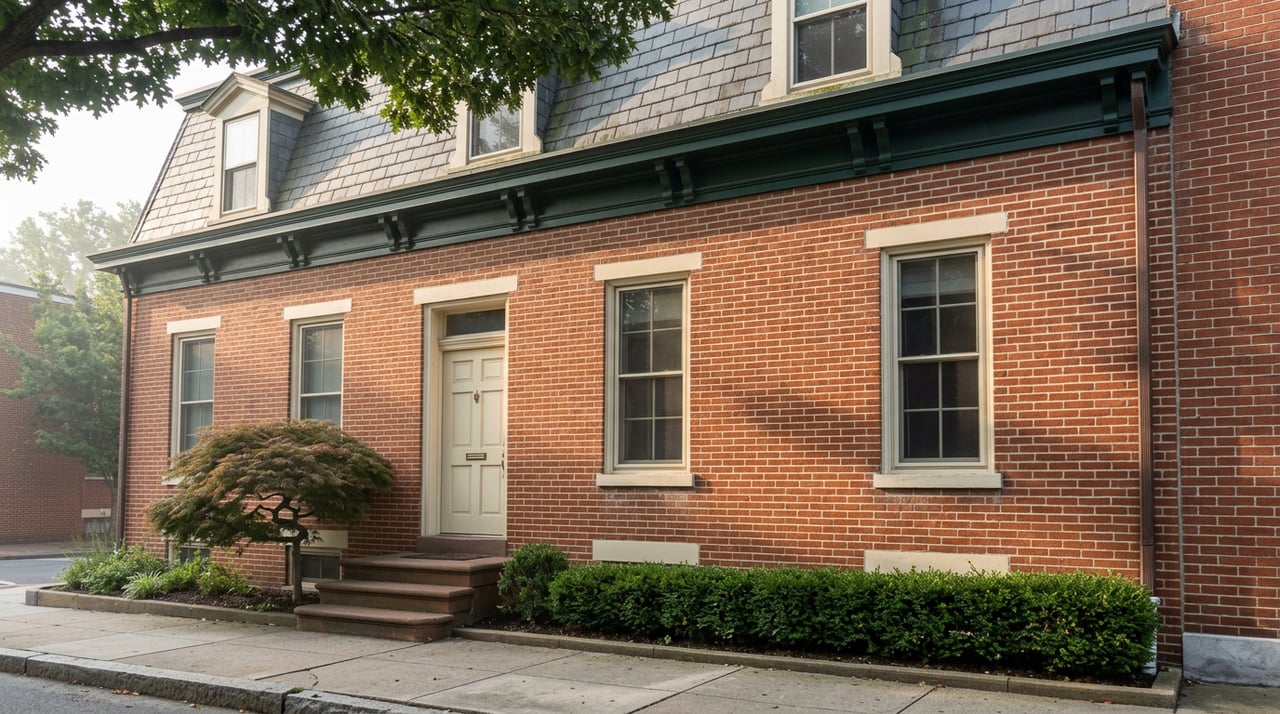
In Providence, you see a higher share of apartments, condos, and multi-family homes. Historic streets feature rowhouses and converted Victorians, with a mix of walk-up and elevator buildings downtown. Outdoor space tends to be smaller, which many buyers accept in exchange for location and access.
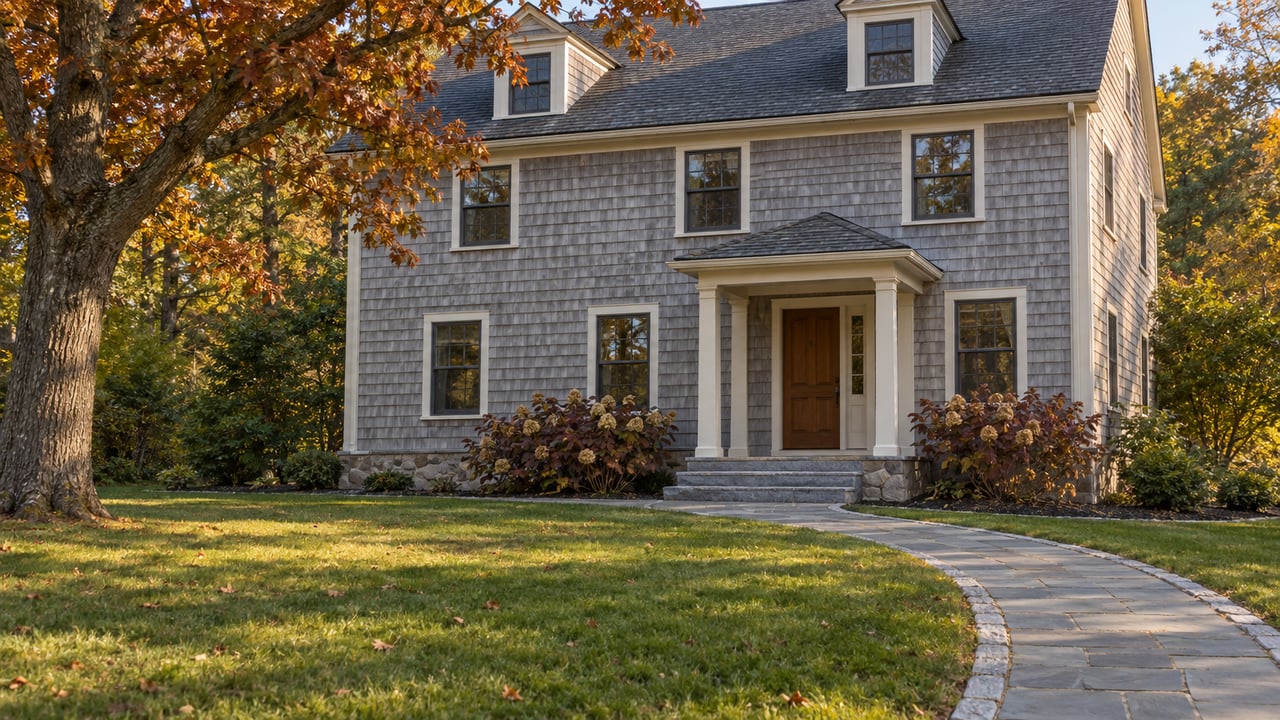
Cranston’s pattern is primarily suburban. Single-family homes dominate, with ranch and colonial styles common. Many homes include yards, driveways, and garages, and you also find duplexes and small multi-family buildings near transit corridors. Newer subdivisions appear in several pockets.
Cost factors to budget for
Compare more than the listing price. It is smart to look at recent 12-month medians, price per square foot, and days on market for the exact property type you want, such as a 2 to 3 bedroom single-family or condo. Ask your agent to pull local MLS data and sale histories so you are comparing like for like.
Include these items in your monthly cost:
- Property taxes based on each city’s mill rate
- Homeowners insurance, which can vary by age and type of home
- Condo or HOA dues if you buy in an association
- Utilities, which can differ between older urban buildings and detached suburban homes
- Parking, particularly if you work in or frequent downtown Providence
Taxes and assessments
Municipal property tax rates vary by city. Check each municipality’s assessor or tax collector pages for current mill rates and ask for recent tax bills on any home you consider. For condos, factor association fees. For single-family homes, confirm whether a property has sewer or district assessments and whether any exemptions apply.
Zoning, historic, and renovation rules
Providence includes multiple historic districts and property-specific zoning that may affect exterior changes, unit conversions, and certain additions. Cranston often allows more suburban-style expansions and accessory structures, though you still need to verify zoning overlays, including any floodplain considerations. If you are planning a renovation or an accessory dwelling, speak with each city’s planning or building department to confirm what is allowed and how long permits typically take.
Renting or investing
Providence has a deeper rental market tied to students and young professionals, which supports more short-term and market-rate rentals. Cranston has fewer city-center rental concentrations, though single-family rentals are available. If you plan to rent short-term, check each municipality’s rules before you buy.
Commute and transportation
Driving times and main corridors
I-95 is the main north-south artery connecting Cranston and Providence, with I-195 linking east-west. Local arterials in Cranston, including Broad Street and Reservoir Avenue, tie into Route 2 and Route 37. From central Cranston to downtown Providence, you can expect roughly 10 to 35 minutes by car. Off-peak is quicker, while AM and PM peaks add time, especially on I-95. From central Warwick or the airport area to downtown Providence, typical drives run about 15 to 30 minutes.
Peak-hour congestion into downtown and on I-95 can be significant. If your schedule is fixed, build in a buffer and consider alternate routes or transit when incidents occur.
Buses, rail, and airport connections
Providence offers denser bus service with more frequent routes on core corridors. Cranston is served by several lines but generally at lower frequency and with more limited evening service in some areas. Providence Station is the regional rail hub for connections to Boston and intercity rail. T.F. Green Station at the airport in Warwick also provides rail options along with easy access to the terminal, which is helpful for frequent travelers.
Bus fares are modest and rail fares are higher, but rail can be time-competitive during peak highway congestion. Many commuters drive to a station, then use rail to avoid traffic and downtown parking costs.
Walking, biking, and parking
Providence shines for walkability in downtown and East Side neighborhoods, where daily errands, restaurants, and parks cluster within short distances. You will also find bike lanes and riverside paths in central areas. Cranston offers sidewalks in many neighborhoods and some bike-friendly roads, but trips to varied amenities typically require a car.
Parking is easier in Cranston, where driveways and on-street free parking are common. In downtown Providence, plan for meters, lots, garages, or employer-arranged parking. Park-and-ride options near transit hubs support commuters who combine driving with bus or rail.
Real route examples
- Cranston’s Garden City or Oaklawn to downtown Providence near Kennedy Plaza: 12 to 25 minutes off-peak by car, commonly 20 to 40 minutes or more during the AM peak. Parking downtown is usually paid. Some commuters park at the edge of Cranston and use a bus to avoid parking costs.
- Warwick’s T.F. Green area to downtown Providence: rail takes about 8 to 15 minutes, plus station access and a short walk or connection in Providence. Driving is typically 15 to 30 minutes depending on traffic.
- Providence East Side to a downtown office: walking or biking often takes 5 to 20 minutes and removes parking from the equation.
- Cranston to Boston: many commuters drive 15 to 30 minutes to Providence Station or T.F. Green Station, then take commuter rail for 45 to 60 minutes or more. Door to door can be 90 minutes or longer.
Lifestyle and daily convenience
Urban culture and dining in Providence
If you want evening options at your doorstep, Providence delivers. You will find theaters, arts institutions, university events, independent shops, specialty grocers, and a wide restaurant scene centered around downtown and the East Side. Riverfront parks and seasonal events add to the experience. Major hospitals and specialty clinics are located in or near downtown, which is convenient for healthcare access.
Suburban space and shopping in Cranston
Cranston focuses on everyday convenience. Big-box stores, accessible grocery options, and auto-oriented retail clusters make errands efficient. Many neighborhoods include yards and playgrounds, and the layout favors drive-and-park trips. It is a practical setup if you value private outdoor space and easy parking.
Education and healthcare access
Municipal school assignments vary by neighborhood, so confirm boundaries and proximity to daycares or aftercare when you tour. Cranston and Providence both offer access to higher education within short commutes, and urgent care and outpatient centers serve suburban areas. Major hospital campuses remain concentrated in Providence.
Recreation and water access
Both areas reach Narragansett Bay and regional parks within a short drive. Providence provides riverfront promenades and urban green spaces. Nearby Warwick adds shoreline parks and recreational beaches, which can appeal if water access is a priority for your weekends.
Who fits where
Downtown-focused professional
You want minimal door-to-desk time and a vibrant after-work scene. A Providence condo or small multi-family near downtown or the East Side keeps your commute short and your evenings flexible. You accept smaller interiors and less private outdoor space in exchange for walkability and transit choices.
Suburban family commuter
You value a single-family home, yard, and driveway, with a reasonable drive to Providence or other employment hubs. Cranston’s single-family neighborhoods align with those priorities while keeping your commute to roughly 10 to 35 minutes to downtown. You might still use park-and-ride or buses for occasional trips.
Frequent-traveler professional
Quick airport access matters. Warwick or Cranston neighborhoods near the Airport Connector reduce stress when you catch early flights. Rail from T.F. Green and direct terminal access make business travel predictable while you maintain suburban space at home.
Budget-minded commuter to Providence
You want to keep monthly costs in check but stay close to the city. Outer-edge Cranston neighborhoods and select Providence multi-family options can offer savings. Driving or taking RIPTA into downtown is common, and you will want to plan around peak-hour slowdowns on I-95 and major arterials.
Decision checklist
- Map your door-to-door commute at peak times for your exact origin and destination.
- Compare total monthly costs, not just the mortgage or rent. Include taxes, insurance, utilities, parking, and any HOA or transit passes.
- Confirm municipal tax rates, recent tax bills, and any special assessments.
- Ask for recent utility bills and condo association documents when applicable.
- Verify zoning, historic-district rules, and permit timelines if you plan to renovate or add an accessory dwelling.
- Prioritize proximity to the amenities you use weekly, such as grocery, daycare, gym, or healthcare.
- Check for planned road or infrastructure projects that could affect your commute.
When to consider Warwick
If you want suburban convenience with direct airport access or shoreline proximity, add Warwick to your shortlist. Commutes to downtown Providence are typically 15 to 30 minutes by car, and the rail connection from T.F. Green to Providence can be competitive during peak congestion. You will find a mix of single-family neighborhoods and condo or townhome options near the airport and along the shoreline.
Choosing between Providence and Cranston comes down to how you value space, commute reliability, and access to culture or coast. If you want help weighing the trade-offs for your schedule, budget, and wish list, connect with a local advisor who can tailor options to you. For a concierge, team-based approach and deep neighborhood knowledge, reach out to Robert Rutley for a guided plan and next steps.
FAQs
What are typical Cranston to Providence commute times?
- From central Cranston to downtown Providence, expect roughly 10 to 35 minutes by car, with longer times during AM and PM peaks.
How do housing types differ between Providence and Cranston?
- Providence offers more condos, apartments, and multi-family homes in historic, walkable areas, while Cranston is primarily single-family with yards and driveways.
Is public transit practical if I live in Cranston?
- Yes, several bus lines serve Cranston, though frequency is lower than Providence, and many commuters also use park-and-ride or drive to rail stations.
How should I compare total housing costs across the two cities?
- Compare by property type and include taxes, insurance, utilities, parking, and any HOA fees, not just mortgage or rent.
When does Warwick make more sense than Cranston or Providence?
- If you prioritize quick airport access, rail near the terminal, or shoreline amenities, Warwick can be the best fit while keeping a reasonable commute to Providence.