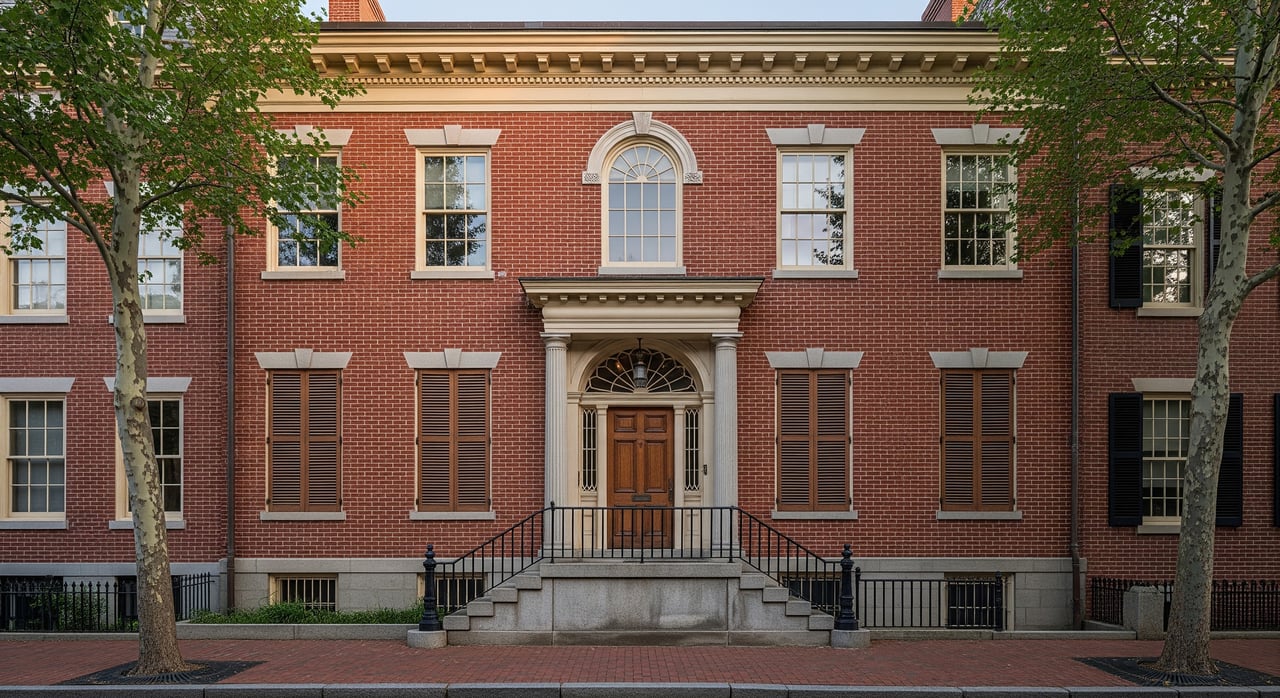
You know your East Side home is special. The woodwork, the staircases, the history that runs through every room are part of what makes Providence such a remarkable place to live. Selling a historic property takes more than a standard plan, because preservation rules, documentation, and buyer expectations all come into play. In this guide, you will learn how to protect your home’s character while positioning it for a premium sale, from pre-listing prep to permits, timelines, financing, and marketing. Let’s dive in.
Know the preservation landscape
Historic properties on the East Side include homes in College Hill, Benefit Street, and the Blackstone and Wayland areas. Many sit within National Register districts or locally regulated historic districts. Buyers are drawn to intact architectural elements and well-documented provenance. Original windows, mantels, moldings, and historic finishes add emotional and market value when they are in good condition and supported by records.
If your home is within a locally designated historic district, the Providence Historic District Commission reviews exterior changes. You or your buyer may need a Certificate of Appropriateness for work such as windows, roofing, masonry, or landscaping. The Rhode Island Historical Preservation & Heritage Commission provides technical guidance and oversees state and federal programs. At the federal level, the Secretary of the Interior’s Standards for Rehabilitation are the primary reference for appropriate treatments.
Some properties carry preservation easements held by a nonprofit or state agency. Easements restrict certain changes and are material to your sale. Disclose any easement early to avoid surprises in escrow. Federal law also requires lead-based paint disclosures for housing built before 1978. Provide the EPA and HUD information pamphlet and disclose known hazards. A Rhode Island real estate attorney can help you confirm all local disclosure obligations, including any unpermitted work or prior alterations.
Prep your home like a pro
Start with assessment and documentation
Begin with a full pre-listing inspection that pays close attention to historic-house systems and components. Ask the inspector to look closely at foundations, roofing and flashing, chimneys, masonry, drainage, original windows, mechanicals, and any knob-and-tube wiring, asbestos, or lead paint. Then consult a preservation architect or a contractor who works regularly on historic rehabilitation to separate preservation-sensitive repairs from modern upgrades.
Create a clear condition file to share with buyers. Include inspection reports, permit history, restoration invoices, historic photos, measured floor plans, and a list of original features. Buyers appreciate transparency, and documentation strengthens your negotiation position.
Fix first, then finesse
Address structural and moisture issues before anything else. Roof repairs, gutters and drainage, masonry repointing, and foundation work build buyer and lender confidence. Preserve and repair original fabric whenever feasible. Repair windows rather than replace, and restore woodwork where possible. If you must replace elements, document that the work follows accepted preservation guidelines.
Where modernization is expected, keep changes reversible or clearly differentiated from original fabric. Use period-appropriate cabinetry styles, conceal modern systems where practical, and select finishes that complement the age and architecture of the home. These choices protect authenticity while meeting buyer expectations.
Discreet modernization buyers expect
Luxury buyers still want comfort. Reliable HVAC, updated electrical and plumbing, and thoughtfully designed kitchens and baths are high on the list. Plan upgrades that are discreet and executed by specialists who understand older buildings. Energy-efficiency improvements such as targeted insulation, storm windows, and high-efficiency HVAC can reduce operating costs without eroding character.
Short, high-impact touches can help your presentation. Consider refreshed paint with a historically sympathetic palette, period-appropriate lighting, and professionally restored hardwood floors. These upgrades can offer a strong return on investment while letting the architecture shine.
Staging that sells the story
Stage to showcase, not conceal. Arrange furniture to frame fireplaces and staircases and keep sightlines open to original features. Commission professional photography with detail close-ups and twilight exterior shots. A high-quality floor plan and a virtual 3D tour help buyers visualize the flow. Drone images can illustrate the setting, lot, and tree canopy that define many East Side streets.
Prepare a marketing packet with an inventory of historic features and provenance. Include date-stamped site photos, archival images, and any landmark or plaque citations. Documentation gives design-minded buyers confidence that they are purchasing an authentic, well-cared-for property.
Plan for permits, financing, and timing
Approvals and timelines
Exterior work in a local historic district often needs review and approval, which can add weeks or months depending on scope and season. Buyers who plan renovations will ask what is likely to be approved. If you have pre-cleared certain upgrades or secured preliminary approvals, you reduce uncertainty and can shorten escrow.
How buyers finance historic homes
Condition plays a central role in financing. Deferred maintenance, unpermitted work, or noncompliant mechanicals may limit buyers to renovation loans. Common options include FHA 203(k) Rehabilitation Mortgages and Fannie Mae or Freddie Mac programs that wrap rehab funds into a single loan. Underwriting can take longer with renovation financing, so a pre-inspected, well-documented property is more attractive to conventional buyers.
Tax credits and incentives
The Federal Historic Tax Credit offers a 20 percent credit for certified historic structures rehabilitated for income-producing use. This program is typically used by developers for rental or commercial projects, not for owner-occupied single-family homes. State-level incentives or grants may be available, depending on current programs. Discuss eligibility with the Rhode Island Historical Preservation & Heritage Commission and consult a tax advisor early if a buyer plans to pursue credits. Disclose any preservation easements and coordinate with the easement holder as needed.
Your sale timeline
Expect 4 to 12 plus weeks for pre-listing preparation. That window covers inspections, targeted repairs, documentation, staging, and production of premium marketing assets. A conventional sale often closes in 30 to 45 days once under contract. If the buyer uses renovation financing, seeks historic approvals, or pursues tax-credit pathways for an income-producing plan, timelines can extend to 60 to 120 plus days. If significant exterior work or historic review is anticipated as a condition of sale, allow several months for design and permitting.
Price and market for premium results
Who your likely buyers are
Affluent East Side buyers often include local empty nesters and downsizers who want the convenience and prestige of a historic urban setting. Professionals and academics connected to nearby institutions value location and history. Many out-of-market buyers come from Boston, New York, and other Northeastern hubs seeking a second home or a pied-a-terre with strong walkability. You may also attract investor or small developer interest for large properties with income potential, as well as design-minded buyers who prioritize authenticity and restoration quality.
How valuation works for historic homes
Historic features can command a premium when intact and well-documented. Appraisal can be more nuanced because true comparables are limited. An appraiser who understands historic properties will weigh provenance and landmark status, the condition of original fabric and restoration level, lot size and parking, and modern amenities such as updated kitchens, baths, and HVAC. Zoning and easements that limit change are also part of the analysis.
A clear valuation narrative helps buyers and appraisers align. Provide restoration documentation, recent system upgrades, and a transparent summary of any preservation constraints so future costs can be priced in thoughtfully.
A luxury marketing plan that fits the East Side
Lead with provenance. Feature the architect, year built, restoration history, and any notable past owners in your headline materials. Invest in top-tier visuals, including architectural photography, evening exteriors, drone footage, and a polished video or 3D tour. Distribution should reach both local and regional audiences. That can include high-net-worth buyer lists, outreach to alumni and faculty networks, and trusted relocation channels that bring qualified buyers from beyond Rhode Island.
Place your listing in luxury publications and networks that value architecture and heritage. Locally, share through lifestyle media and social channels that engage the Providence community. Offer concierge materials like restoration documentation, a curated list of preservation contractors, and a transition package with maintenance records and vendor contacts. These elements reduce friction and signal quality.
Build the right team
Assemble specialists who understand preservation. Your core team should include a listing agent experienced with historic and luxury properties, a preservation architect or historic consultant, and a contractor who regularly completes sympathetic rehabilitation. Add a Rhode Island real estate attorney who knows disclosures and preservation easements, plus an appraiser with historic expertise. Work with a stager and photographer who understand older architecture, and line up lender contacts who can speak to renovation financing for prospective buyers.
A team-based, concierge approach keeps projects moving, manages timelines and paperwork, and ensures consistency across staging, photography, and buyer communications.
Pre-listing checklist
- Full pre-listing inspection and a written condition report.
- Preservation assessment with prioritized recommendations and cost ranges.
- Historical documentation, including archival photos, any original plans, permit history, and restoration invoices.
- A clear statement of any preservation easements, restrictions, or local historic-commission conditions.
- Documentation of recent mechanical, utility, and energy-efficiency upgrades.
- Federal lead-based paint disclosure materials, if built before 1978.
- Professional photos, floor plans, virtual tour, and a bespoke marketing packet that highlights history, restoration quality, and neighborhood context.
Risks to avoid
- Deferred maintenance. It can reduce your buyer pool and complicate financing. Address structure and moisture first and provide inspection reports.
- Hidden easements or unpermitted work. These can derail a deal in due diligence. Complete a title and easement review before listing and remedy or disclose issues clearly.
- Incompatible renovations. Overly modern or irreversible changes can reduce perceived authenticity. Consult a preservation architect and focus on reversible, sympathetic updates.
Ready to list smart
When you sell a historic East Side home, you are offering architecture, provenance, and lifestyle in one package. Focus your preparation on structural stability and preservation-minded repairs, then add selective modern comforts and premium marketing that tells the home’s story. Be upfront about approvals, timelines, and financing options so buyers can move with confidence.
If you want a high-touch, project-managed sale backed by premium marketing reach, connect with a locally elite, nationally connected broker who knows historic Providence. Request a Concierge Home Valuation from Robert Rutley to start your plan.
FAQs
Do I need approval to change my historic home’s exterior in Providence?
- If your property is in a local historic district, exterior changes often require review by the Providence Historic District Commission, and you may need a Certificate of Appropriateness before work begins.
How do original windows affect value when I sell?
- Intact, repairable original windows contribute to authenticity and can support premium pricing, and buyers often favor well-executed repairs or storm systems over full replacements.
What are my obligations for lead-based paint when selling an older home?
- For homes built before 1978, federal law requires you to provide the EPA and HUD pamphlet on lead hazards and disclose any known lead-based paint or related risks to buyers.
Will a buyer using a renovation loan slow down closing?
- Renovation loans such as FHA 203(k) or Fannie Mae options can extend underwriting and closing timelines, so expect a longer escrow than a conventional loan.
Can I use historic tax credits to renovate my single-family home before selling?
- The Federal Historic Tax Credit applies to certified historic structures used for income-producing purposes, not to owner-occupied single-family homes.
What marketing works best for a historic East Side listing?
- Lead with provenance, invest in architectural photography and virtual tours, and distribute through targeted luxury and relocation channels that reach design-minded and out-of-market buyers.